How Poor Insulation Can Lead to Moisture and Mold Problems
Table of Contents
- Understanding the Connection Between Insulation and Moisture Control
- How Poor Insulation Creates Moisture Problems
- How Moisture Leads to Mold Growth
- Warning Signs of Moisture Problems Caused by Poor Insulation
- The Long-Term Effects of Moisture and Mold
- How Proper Insulation in Colorado Helps Prevent Moisture Problems
- FAQs: Moisture Problems in Insulation
- Can Seasonal Humidity Changes Make Insulation Problems Worse?
- Does Mold Always Grow Directly on Insulation?
- Can Poor Insulation Affect HVAC System Humidity Control?
- Are Certain Types of Homes More Vulnerable to Moisture Issues From Poor Insulation?
- How Can Homeowners Tell the Difference Between a Roof Leak and an Insulation-Related Moisture Problem?
- Conclusion
- Contact Ascend Construction for Trusted Insulation Solutions in Fort Collins, Colorado
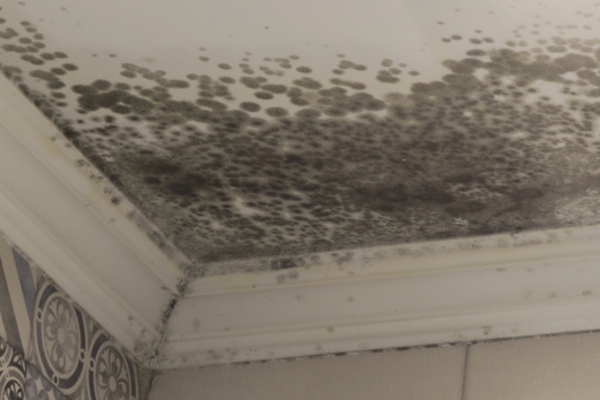
Many homeowners think of insulation as a way to control indoor temperatures. However, moisture problems in insulation can create issues that go far beyond comfort and energy efficiency. When insulation is damaged, missing, or improperly installed, moisture can accumulate inside walls, ceilings, and other hidden areas. Over time, this can increase the risk of mold growth, indoor air quality concerns, and structural damage.
At Ascend Construction, a trusted insulation company based in Fort Collins, Colorado, we help homeowners improve comfort, efficiency, and home performance with professional insulation solutions. This article explains how poor insulation contributes to moisture and mold problems, where these issues commonly happen, the warning signs to look out for, and how proper insulation and air sealing help protect your home.
Prevent Moisture Buildup Before It Causes Damage: Turn to Ascend Construction for professional insulation solutions. Call today.
Understanding the Connection Between Insulation and Moisture Control

Many moisture issues begin long before visible signs appear inside the home. Understanding the relationship between insulation and moisture control helps explain why small insulation problems can eventually lead to mold growth, material damage, and reduced indoor air quality.
Improve Indoor Air Quality Throughout Your Home: Contact Ascend Construction for expert insulation services. Call today.
How Poor Insulation Creates Moisture Problems
Poor insulation can create conditions that allow moisture to build up throughout the home. When insulation is inadequate, interior surfaces become colder during temperature changes, increasing the likelihood of condensation forming when humid air contacts those surfaces.
Gaps, voids, and damaged insulation also allow moisture-laden air to move through walls, ceilings, and attic spaces where it can accumulate in cooler areas. Many of these moisture issues develop in concealed spaces behind walls or above ceilings, making them difficult to detect during the early stages. Ongoing exposure to excess moisture can lead to mold growth, material deterioration, and more extensive damage over time.
How Moisture Leads to Mold Growth

Excess moisture creates favorable conditions for mold growth. Mold thrives in damp, dark spaces and can begin developing when insulation and surrounding materials remain wet for extended periods. Wood framing, drywall, and other porous surfaces are particularly vulnerable.
Growth often starts out of sight inside walls, ceilings, and attics. Over time, mold can spread to nearby materials and become more difficult to remove. As colonies expand, spores may circulate through the home. This can lead to musty odors, poorer indoor air quality, and more widespread contamination.
Eliminate Hidden Gaps That Waste Energy: Let Ascend Construction evaluate your insulation needs. Call today.
Common Areas Where Moisture and Mold Problems Occur
Certain areas of the home are more vulnerable to moisture and mold problems when insulation is inadequate. Attics are a common trouble spot because warm indoor air can condense when it reaches cooler attic surfaces. Exterior walls are also susceptible, especially when insulation is missing, damaged, or improperly installed, creating cold spots where moisture forms inside wall cavities.
Basements and crawl spaces often have higher humidity levels, making them prone to moisture accumulation and mold growth. Poor insulation can worsen these conditions by encouraging condensation. Moisture problems also frequently develop around windows, doors, and utility penetrations, where air leaks allow humid air to enter and create localized condensation that can damage surrounding materials.
Warning Signs of Moisture Problems Caused by Poor Insulation

Moisture issues often develop gradually and may remain hidden until noticeable symptoms appear. Watch for the following warning signs that could indicate insulation-related moisture problems:
- Musty Odors: Persistent damp or musty smells often suggest hidden moisture accumulation or mold growth behind walls, above ceilings, or in attics and crawl spaces.
- Visible Mold Growth: Dark spots on walls, ceilings, around windows, or near vents may indicate ongoing moisture issues that require attention.
- Water Stains or Discoloration: Stains, peeling paint, bubbling surfaces, or warped materials can be signs of repeated condensation and moisture exposure.
- Excess Indoor Humidity: Frequent window condensation, damp indoor conditions, or rooms that feel unusually humid may point to insulation deficiencies and air leakage problems.
Protect Walls and Attics From Excess Moisture: Trust Ascend Construction for reliable insulation upgrades. Call today.
The Long-Term Effects of Moisture and Mold
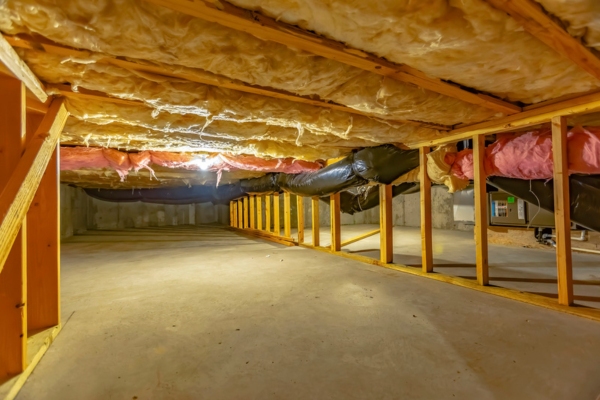
Moisture and mold problems can have lasting consequences for both the home and its occupants. Ongoing moisture exposure can weaken wood framing, drywall, and other building materials, increasing the risk of structural damage over time. Wet or deteriorated insulation loses its ability to resist heat transfer, reducing energy efficiency and making it more difficult to maintain indoor temperatures.
What begins as a small moisture issue can eventually require costly mold remediation and extensive repairs. Mold growth and elevated humidity levels can also contribute to poor indoor air quality, creating an uncomfortable living environment.
Reduce Strain on Your Heating and Cooling System: Reach out to Ascend Construction for insulation improvements. Call today.
How Proper Insulation in Colorado Helps Prevent Moisture Problems
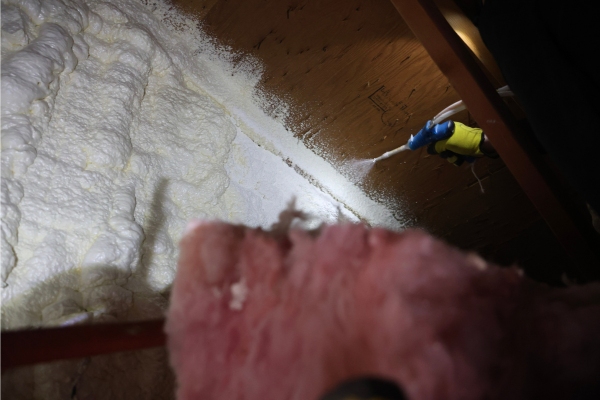
Proper insulation and air sealing work together to control moisture, improve energy efficiency, and protect the home from long-term damage. Key benefits include:
- Professional Insulation Upgrades Reduce Condensation Risks: Insulation professionals can identify inadequate coverage and install the proper materials to maintain more consistent surface temperatures and reduce condensation.
- Expert Air Sealing Helps Control Moisture Movement: Contractors can locate and seal hidden gaps and air leaks that allow humid air to enter areas where moisture can accumulate.
- Prompt Replacement of Damaged Insulation Restores Performance: Wet, compressed, or deteriorated insulation should be professionally removed and replaced to improve efficiency and reduce the risk of ongoing moisture issues.
- Professional Inspections Identify Hidden Concerns Early: Regular evaluations can uncover insulation deficiencies, air leaks, and developing moisture problems before they lead to significant mold growth or structural damage.
Create More Consistent Temperatures Year-Round: Choose Ascend Construction for quality insulation services. Call today.
FAQs: Moisture Problems in Insulation

Can Seasonal Humidity Changes Make Insulation Problems Worse?
Yes. Homes often experience higher humidity levels during warmer months. If insulation and air sealing are inadequate, this excess moisture can move into wall cavities, attics, and crawl spaces, where condensation may occur. Seasonal humidity fluctuations can accelerate mold growth and moisture-related damage when insulation deficiencies already exist.
Does Mold Always Grow Directly on Insulation?
Not necessarily. While some insulation materials can support mold growth when they become contaminated with dust and moisture, mold often develops on nearby materials such as drywall, wood framing, roof decking, and subflooring. Insulation problems frequently create the conditions that allow mold to grow on surrounding surfaces.
Can Poor Insulation Affect HVAC System Humidity Control?
Yes. HVAC systems help manage indoor humidity, but excessive air leakage and inadequate insulation can make humidity levels more difficult to control. This may cause the system to run longer, reduce efficiency, and allow moisture problems to persist despite normal HVAC operation.
Stop Mold-Friendly Conditions From Developing: Count on Ascend Construction for professional insulation support. Call today.
Are Certain Types of Homes More Vulnerable to Moisture Issues From Poor Insulation?
Older homes are often more susceptible because they may contain outdated insulation, air leaks, or insufficient vapor management systems. However, newer homes can also experience moisture problems if insulation is improperly installed or air-sealing details are overlooked during construction.
How Can Homeowners Tell the Difference Between a Roof Leak and an Insulation-Related Moisture Problem?
Roof leaks often create localized staining that worsens after rainfall. At the same time, insulation-related moisture problems are frequently linked to condensation and may appear during periods of high humidity or significant temperature differences. A professional inspection can determine whether moisture is entering from outside or developing inside the building assembly.
Conclusion
Poor insulation can contribute to moisture problems by allowing humid air to reach cooler surfaces where condensation forms. Over time, this excess moisture can cause mold growth, structural damage, reduced energy efficiency, and indoor air quality concerns. Addressing insulation deficiencies early is one of the most effective ways to protect your home and maintain a healthier indoor environment.
If you suspect insulation-related moisture or mold issues, contact Ascend Construction today. Our team can evaluate your insulation system, identify problem areas, and recommend solutions that improve comfort, efficiency, and long-term home protection.
Strengthen Your Home Against Moisture and Energy Loss: Work with Ascend Construction for lasting insulation solutions. Call today.
Contact Ascend Construction for Trusted Insulation Solutions in Fort Collins, Colorado
Ascend Construction helps homeowners improve comfort, energy performance, and indoor air quality with professional insulation services tailored to their property’s needs. Our team focuses on identifying areas of energy loss, reducing unwanted air movement, and installing insulation systems that support year-round temperature control.
We offer a full range of services throughout Northern Colorado and the surrounding areas, including insulation replacement, new insulation installation, air sealing, system upgrades, and recommendations to improve overall home performance. Every project is completed using quality materials and proven installation methods designed to deliver lasting results.
Contact Ascend Construction today to discuss your insulation needs. We will assess your home, identify opportunities for improvement, and provide practical solutions that enhance comfort, efficiency, and long-term protection. Call now to get started. Visit our service area page to see if we serve your community.

Contact Ascend Construction today to arrange a consultation. Our team will evaluate your home’s insulation needs and recommend practical, cost-effective solutions that improve comfort and efficiency. All of our services are affordable, and our work is guaranteed. Click here to contact us, or click the button below to give Ascend Construction a call. We offer no-obligation in-home consultations.
Ascend Construction
4115 County Road 19
Fort Collins, CO, 80524
(970) 420-5495
Related Articles: