
Air Balancing: How To Fix Hot And Cold Spots In Your House

Hot and cold spots can make some rooms uncomfortable while others feel just right. Uneven temperatures may stem from airflow problems, ductwork, insulation, HVAC equipment, or how conditioned air moves through different areas. Understanding what causes these temperature differences can help homeowners identify potential solutions and create more consistent comfort throughout the entire home.
Read MoreWhy Call A Colorado Insulation Contractor When Replacing Your Roof
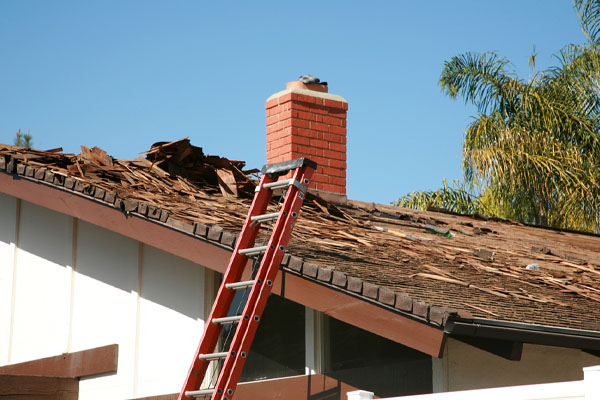
Roof insulation plays an important role in how a home handles temperature changes, energy use, and overall comfort. A roof replacement can also bring attention to areas that may otherwise remain hidden. Understanding what to look for and when to address insulation can help homeowners make better decisions during a major roofing project.
Read MoreHow Insulation and Whole House Fans Work Together for Better Home Comfort

A whole house fan can quickly cool a home during comfortable summer evenings, but maintaining that comfort depends on the home’s overall thermal performance. Insulation, air sealing, attic ventilation, and windows all influence how effectively cooler indoor temperatures are maintained. Understanding how these components interact can help homeowners identify common energy-efficiency issues.
Read MoreAvoid These 3 Bad Habits To Protect Your Air Conditioner
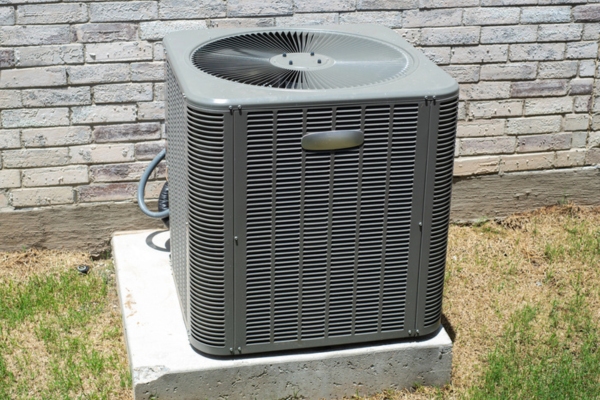
Everyday habits can have a bigger impact on your air conditioner than you might expect. There are certain practices that can place unnecessary strain on your cooling system. Understanding what may be shortening your AC unit’s lifespan can help you recognize potential problems, maintain efficiency, and keep your home comfortable throughout summer.
Read MoreWhy Your Home Feels Humid Even with Air Conditioning

Your air conditioner may be running regularly, yet your home can still feel damp, sticky, or uncomfortable. Excess indoor humidity can have several causes, including problems with your home’s insulation and HVAC performance. Understanding how these factors interact can help explain why some homes struggle with moisture control even when the temperature seems comfortable.
Read MoreHow Attic Insulation Helps Lower Summer Cooling Costs
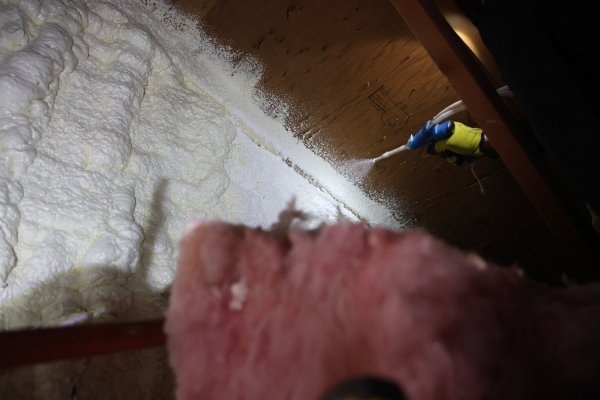
Summer heat can make it harder to keep your home comfortable while increasing cooling costs. Your attic plays a bigger role than many homeowners realize, influencing how much heat enters and how efficiently your cooling system operates. Learn why proper attic insulation matters, the warning signs, and what can make a noticeable difference.
Read MoreHow New Air Conditioners Reduce Energy Use And Cooling Costs
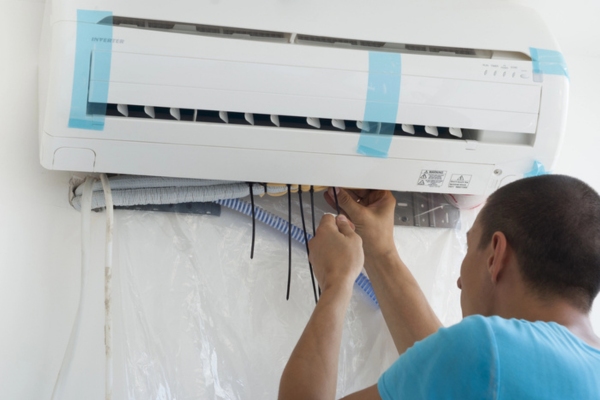
If your cooling costs seem higher every summer, your air conditioner could be part of the problem. Modern cooling systems are designed to use energy more efficiently while improving comfort throughout your home. Learn how today’s technology compares to older units, what efficiency ratings mean, and the factors that can influence long-term energy savings.
Read MoreHow a Home Energy Audit Can Reveal Hidden Insulation Issues

Many insulation problems stay hidden for years, quietly affecting your home’s comfort and energy efficiency. A professional energy audit for insulation can uncover areas where heat escapes, drafts develop, and insulation no longer performs as intended. Learn how these evaluations identify hidden issues and what the findings can reveal about your home’s overall energy performance.
Read MoreAir Conditioning Safety: Smart Ways To Protect Your Home

Your air conditioner does more than keep your home cool; it also needs proper care to operate safely. There are several simple ways to reduce risks and improve performance. Learn the essential habits that can help protect your home, extend your system’s lifespan, and keep your cooling equipment operating with confidence.
Read MoreHow Poor Insulation Can Lead to Moisture and Mold Problems
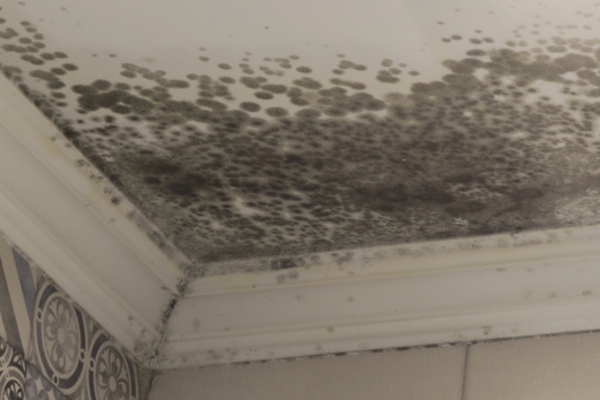
Poor insulation does more than affect energy efficiency; it can also create hidden moisture issues that lead to mold, unpleasant odors, and damage behind walls and ceilings. Understanding how insulation affects moisture control can help homeowners recognize early warning signs before problems worsen. Learn what causes these issues and why proper insulation is important.
Read More