
Insulation
How Insulating Materials Can Affect Indoor Air Quality And Your Health
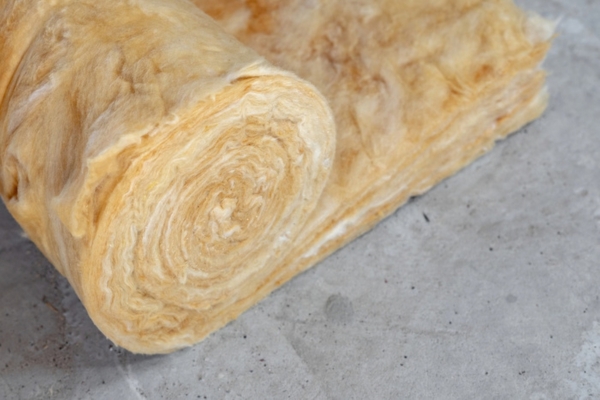
Insulating materials can affect more than a home’s temperature and energy use. Their condition, installation, and placement can influence moisture control and other indoor environmental factors. Understanding the differences between common insulation options and recognizing potential concerns can help homeowners make informed decisions about insulation upgrades while considering ventilation and overall building performance.
Read MoreWhat Role Does Ventilation Play Alongside Insulation?
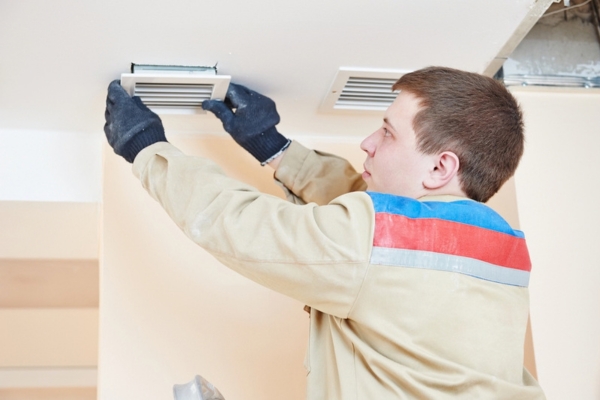
Insulation and ventilation serve different purposes, but both play an important role in maintaining a comfortable, efficient home. Insulation helps control heat transfer, while ventilation manages excess heat and moisture in areas such as attics and crawl spaces. Understanding how these systems interact can help homeowners recognize potential problems and protect their home’s comfort.
Read MoreWhy Call A Colorado Insulation Contractor When Replacing Your Roof
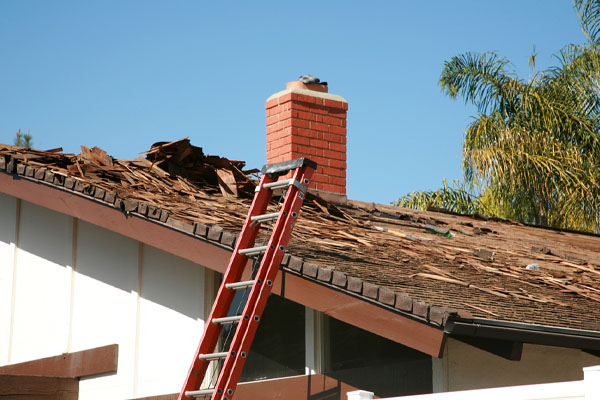
Roof insulation plays an important role in how a home handles temperature changes, energy use, and overall comfort. A roof replacement can also bring attention to areas that may otherwise remain hidden. Understanding what to look for and when to address insulation can help homeowners make better decisions during a major roofing project.
Read MoreWhy Your Home Feels Humid Even with Air Conditioning

Your air conditioner may be running regularly, yet your home can still feel damp, sticky, or uncomfortable. Excess indoor humidity can have several causes, including problems with your home’s insulation and HVAC performance. Understanding how these factors interact can help explain why some homes struggle with moisture control even when the temperature seems comfortable.
Read MoreHow Attic Insulation Helps Lower Summer Cooling Costs
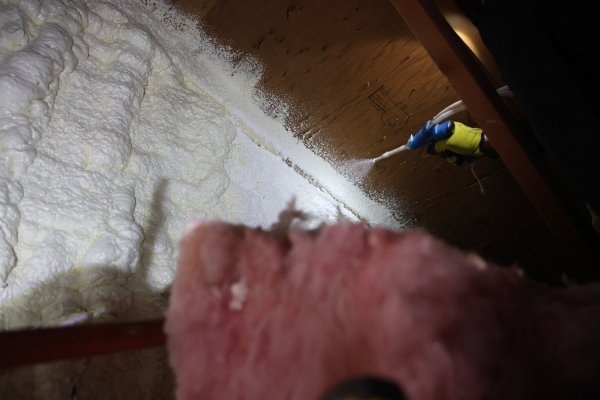
Summer heat can make it harder to keep your home comfortable while increasing cooling costs. Your attic plays a bigger role than many homeowners realize, influencing how much heat enters and how efficiently your cooling system operates. Learn why proper attic insulation matters, the warning signs, and what can make a noticeable difference.
Read MoreHow Poor Insulation Can Lead to Moisture and Mold Problems
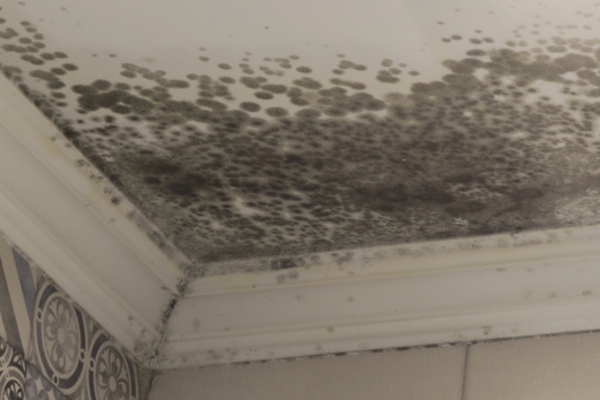
Poor insulation does more than affect energy efficiency; it can also create hidden moisture issues that lead to mold, unpleasant odors, and damage behind walls and ceilings. Understanding how insulation affects moisture control can help homeowners recognize early warning signs before problems worsen. Learn what causes these issues and why proper insulation is important.
Read MoreThe Hidden Costs of Poor Insulation (And How to Avoid Them)

Many homeowners notice rising energy bills, drafty rooms, or uneven temperatures without realizing insulation may be the hidden culprit. Small issues inside walls, attics, and crawl spaces can quietly affect comfort, efficiency, and even the condition of a home. Understanding the warning signs early can help uncover problems before they become more costly.
Read More7 Signs Your Home’s Insulation is Outdated & Inefficient

Many homeowners overlook insulation until comfort issues become impossible to ignore. Uneven temperatures, higher energy bills, drafts, and moisture concerns can all point to hidden inefficiencies within your home’s thermal envelope. This article explores common warning signs that insulation may no longer be performing effectively and highlights why updating older materials can improve overall comfort.
Read MoreWhat Is Thermal Bridging In Colorado Homes?
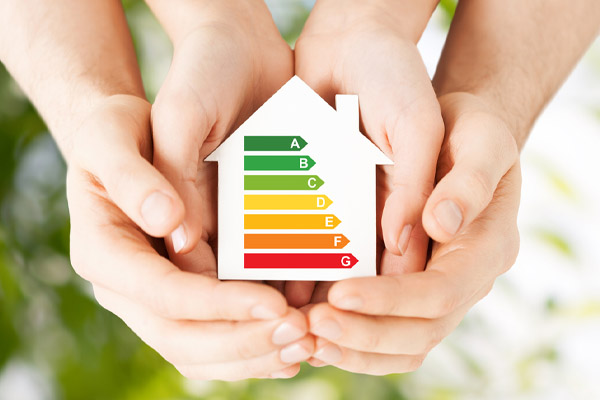
Even well-insulated homes can experience unexpected energy loss, uneven temperatures, and comfort issues. One often-overlooked factor is thermal bridging, a hidden condition that allows heat to move through parts of a building more easily than intended. Understanding where it occurs and why it matters can help homeowners make informed decisions.
Read MoreIs Your Insulation Ready for Summer? A Quick Mid-Year Home Check

Summer heat can reveal hidden insulation problems that affect comfort, energy efficiency, and indoor temperatures. A mid-year home check can help uncover issues that often go unnoticed during cooler months. Understanding how insulation performs in warm weather and recognizing early warning signs can help homeowners make informed decisions before peak summer conditions arrive.
Read More