7 Signs Your Home’s Insulation is Outdated & Inefficient

You may not see your insulation, but you feel its impact every day. Uneven temperatures, rising energy bills, and persistent drafts often point to a hidden problem behind your walls.
At Ascend Construction, we help homeowners identify insulation issues that reduce comfort and waste energy. Our team delivers targeted insulation upgrade solutions that improve performance, reduce heat loss, and maintain consistent indoor conditions.
This article outlines seven clear signs that your home’s insulation may be outdated or underperforming, along with what those indicators mean for your comfort and overall energy efficiency.
Maintain Consistent Indoor Comfort: Improve insulation performance with Ascend Construction. Call now.
When Insulation Stops Performing as Intended
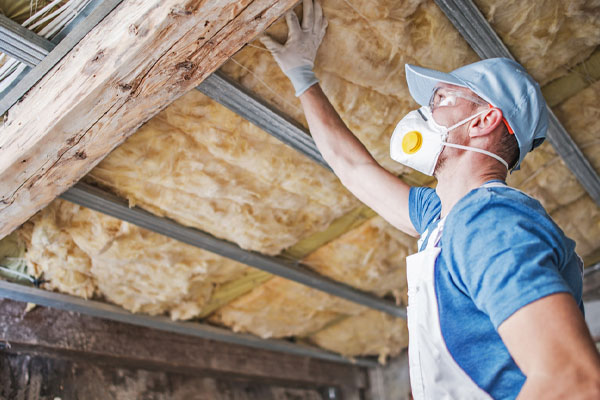
Small changes in comfort often signal larger inefficiencies within the building envelope. As insulation performance declines, energy loss becomes more difficult to control. Recognizing early warning signs helps prevent long-term cost increases and system strain.
The following indicators provide a clear framework for identifying when an insulation upgrade may be necessary.
Reduce Energy Waste at the Source: Upgrade your insulation with Ascend Construction. Contact us today.
1. Uneven Temperatures Between Rooms
Rooms that feel noticeably warmer or cooler than others often point to inconsistent insulation coverage. These hot and cold spots develop when insulation is missing, compressed, or has settled over time. As a result, certain areas lose conditioned air more quickly while others retain it. The imbalance disrupts overall comfort.
A weakened thermal barrier allows heat to move unevenly through walls, floors, and ceilings, making it difficult to maintain stable indoor temperatures. This forces your HVAC system to run longer cycles, increasing energy use and placing added strain on system components.
2. Rising Energy Bills Without Clear Cause

A steady increase in energy costs without a clear change in usage often points to declining insulation performance. As insulation loses effectiveness, your HVAC system must run longer and cycle more frequently to maintain the same indoor temperature. This increased demand places a continuous load on the system.
Older insulation materials may also fall below current efficiency standards, allowing more heat transfer than they were originally designed to handle. Over time, this reduced efficiency leads to higher operating costs, even if your equipment is functioning properly.
Eliminate Drafts and Hot Spots: Strengthen your insulation with Ascend Construction. Schedule your service today.
3. Drafts and Air Leaks Indoors
Noticeable air movement near walls, floors, or ceilings often indicates gaps in insulation or inadequate air sealing. These drafts may feel subtle at first, then become more pronounced during extreme weather conditions. Air leaks typically occur around penetrations such as outlets, ductwork, and framing joints where insulation coverage is incomplete or deteriorated.
Outdated insulation often lacks the density and structural integrity needed to restrict airflow effectively. As a result, the building envelope becomes compromised, allowing conditioned air to escape and unfiltered outdoor air to enter, thereby reducing comfort and increasing overall energy demand.
4. Walls, Floors, or Ceilings Feel Cold to the Touch

Interior surfaces that feel cold often indicate that heat is transferring directly through the building envelope. This occurs when insulation is insufficient, degraded, or unevenly distributed. Exterior temperatures begin to influence indoor surfaces more noticeably.
In many cases, older insulation lacks the R-value required to effectively resist heat flow by current standards. As a result, walls, floors, and ceilings lose heat more quickly, making rooms feel less comfortable and forcing heating systems to compensate for the ongoing thermal loss.
Lower Heating and Cooling Costs: Improve efficiency with insulation services from Ascend Construction. Get in touch today.
5. Ice Dams or Roof Issues in Winter
Ice dams and recurring roof issues often indicate that heat is escaping through the attic due to insufficient insulation. Warm air rising from the living space leaks into the attic, causing snow on the roof to melt unevenly. As the melted water refreezes near colder roof edges, it forms ice dams that block proper drainage. This cycle repeats and intensifies over time.
The resulting buildup can damage shingles, underlayment, and gutters, and increase the risk of water intrusion into the home. These conditions are a clear sign that attic insulation is not effectively containing heat within the building envelope.
6. Pest or Moisture Problems in Walls
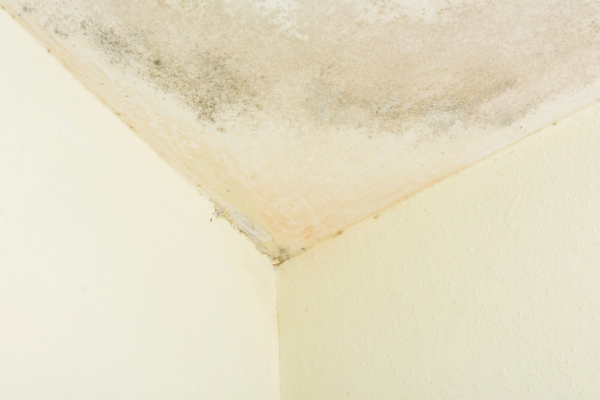
Unexplained pest activity or signs of moisture within walls often point to deteriorating insulation. As insulation breaks down or shifts, it can create small gaps that serve as entry points and nesting areas for insects or rodents. These openings are not always visible, yet they compromise the integrity of the wall system.
At the same time, older insulation materials may absorb and retain moisture instead of repelling it. This trapped moisture reduces thermal performance and creates conditions that support mold growth, further degrading insulation and impacting indoor air quality.
Improve Year-Round Temperature Control: Upgrade outdated insulation with Ascend Construction. Book your appointment today.
7. Your Home Is More Than 15–20 Years Old With Original Insulation
Homes that still have original insulation after 15 to 20 years often experience reduced thermal performance. Insulation naturally settles, compresses, or breaks down over time, which lowers its ability to resist heat flow. This gradual degradation may not be immediately visible, yet it affects overall efficiency.
In addition, older homes were typically built to meet less stringent insulation standards than those in place today. As a result, even if the insulation remains intact, it may no longer provide the level of thermal resistance required for modern comfort and energy-efficiency expectations.
How to Address Outdated Insulation
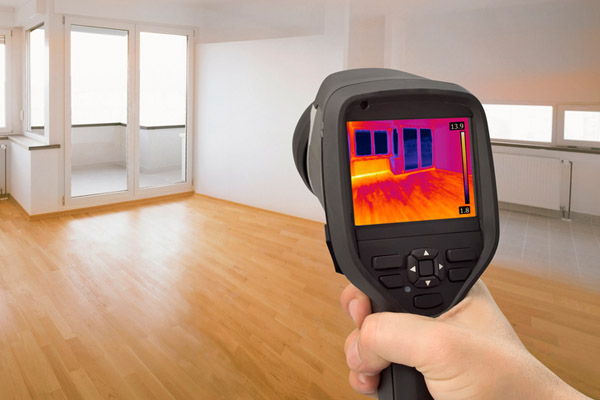
Addressing outdated insulation requires a structured approach that targets both material performance and overall building envelope integrity.
- Conduct a Professional Evaluation: A detailed assessment helps identify areas where insulation is missing, compressed, or no longer effective. It also reveals hidden air leaks, thermal bridging points, and sections with inadequate coverage that may not be visible during a basic inspection.
- Upgrade to Modern Materials: Replace outdated insulation with modern options like spray foam, blown-in cellulose, or fiberglass batts to improve thermal resistance and long-term durability. These materials are designed to meet current efficiency standards and provide more consistent coverage throughout the home.
- Improve Air Sealing: Sealing gaps around penetrations, joints, and framing connections enhances insulation performance by limiting uncontrolled airflow. This step is critical, as even high-quality insulation cannot perform effectively if air leaks are present.
- Focus on High-Impact Areas: Targeting attics, crawl spaces, and exterior walls typically delivers the most noticeable improvements. These sections account for a significant portion of heat loss, making them priority zones for insulation upgrades that improve comfort and reduce energy consumption.
Boost Your Home’s Energy Efficiency: Choose insulation solutions from Ascend Construction. Reach out today.
FAQs: Insulation Upgrade

How Does Insulation Type Impact Long-Term Performance?
Different insulation materials degrade at different rates and respond differently to environmental conditions. Fiberglass can settle and lose thickness, cellulose may compress over time, and older foam products can deteriorate or separate from framing. Modern materials are engineered for improved stability, meaning upgrading the insulation type can significantly improve long-term performance and reduce maintenance concerns.
Can Poor Insulation Affect HVAC Equipment Beyond Energy Use?
Yes. Inefficient insulation increases system runtime, which accelerates wear on components such as compressors, blowers, and heat exchangers. Over time, this added strain can shorten equipment lifespan, increase repair frequency, and reduce overall system reliability, even if the unit is properly maintained.
What Role Does Ventilation Play Alongside Insulation?
Insulation and ventilation function as a combined system. While insulation slows heat transfer, ventilation regulates airflow and moisture levels. Poor ventilation can trap heat or humidity, reducing insulation effectiveness and creating conditions that lead to mold growth or structural damage. Balanced attic ventilation is particularly important for maintaining insulation performance.
Upgrade Comfort and Efficiency Together: Schedule insulation service with Ascend Construction. Call today.
Are There Warning Signs Visible in the Attic Specifically?
Yes. Indicators include uneven insulation levels, compressed or flattened material, exposed joists, and signs of dust accumulation embedded in the insulation surface. These conditions suggest air leakage or material breakdown that may not be noticeable from inside the living space.
How Do Modern Building Codes Influence Insulation Upgrades?
Current building codes typically require higher R-values than those used in older construction. Upgrading insulation to meet or approach these standards improves thermal resistance, enhances energy efficiency, and can increase property value. It also helps ensure the home performs closer to modern expectations for comfort and cost control.
Conclusion
Outdated insulation often manifests as uneven temperatures, persistent drafts, rising energy costs, and moisture concerns. These issues develop gradually. As materials break down and standards change, insulation becomes less effective at maintaining comfort and efficiency. The result is increased energy loss and reduced system performance. Identifying these warning signs early helps prevent more serious structural and cost-related problems.
If your home shows signs of inefficient insulation, contact Ascend Construction for a professional evaluation. Our team provides targeted upgrades that improve energy performance, enhance comfort, and deliver long-term value.
Get More From Your HVAC System: Improve insulation with Ascend Construction. Request service today.
Contact Ascend Construction for Professional Insulation Services in Fort Collins, Colorado
Homeowners turn to Ascend Construction for insulation solutions across Fort Collins, Colorado that improve indoor comfort, reduce air leakage, and support better energy efficiency. Our team emphasizes precise installation, effective air sealing, and strategic upgrades that promote stable indoor temperatures in every season.
We provide a complete range of insulation services, including removal of deteriorated materials, installation of modern systems, performance upgrades, and ventilation guidance. Every project is handled with careful attention to detail and durable materials to ensure consistent, long-term results.
Get in touch with Ascend Construction to schedule your consultation. We will evaluate your home, pinpoint problem areas, and recommend practical, cost-effective solutions that enhance comfort and efficiency. Call now to begin. Visit our service area page to see if we serve your community.

Contact Ascend Construction today to arrange a consultation. Our team will evaluate your home’s insulation needs and recommend practical, cost-effective solutions that improve comfort and efficiency. All of our services are affordable, and our work is guaranteed. Click here to contact us, or click the button below to give Ascend Construction a call. We offer no-obligation in-home consultations.
Ascend Construction
4115 County Road 19
Fort Collins, CO, 80524
(970) 420-5495
Related Articles: