Do-It-Yourself Insulation Problems: 6 Things That Lead To DIY Nightmares

DIY spray foam insulation might seem like an appealing way to save money on home energy costs, but it often comes with hidden challenges and risks. While tackling insulation on your own can appear straightforward, mistakes can lead to poor performance, air leaks, and costly repairs.
In this article, we’ll cover six common issues homeowners face with DIY insulation projects and explain why hiring a trusted professional like Ascend Construction is the smarter choice.
Expert Insulation Solutions For Year-Round Comfort: Improve your home’s energy efficiency and indoor comfort with Ascend Construction’s professional insulation services. Call today!
DIY Insulation Problems Fort Collins
Keep reading to explore some common issues that occur with DIY insulation installation.
Improper Insulation Placement
One of the most common issues with DIY insulation projects is improper placement of the insulation. Insulation needs to be placed in specific areas of the home to be effective, such as in the attic, walls, and floors. Without proper knowledge of where insulation should be placed, DIYers may end up insulating the wrong areas, reducing its overall effectiveness.
Insufficient Insulation Coverage

Another issue that can arise from DIY insulation projects is insufficient coverage. Insulation needs to be applied at a certain thickness in order to be effective. DIYers may skimp on the amount of insulation used in order to save money, which can lead to drafts, high energy bills, and other problems. Here are some of the assessments that are made by professionals when assessing insulation coverage:
- Measuring the current insulation level: Before adding insulation, it’s important to measure the current level of insulation in your home. This will give them an idea of how much insulation you need to add, and where it’s needed most.
- Use the right type of insulation: Different types of insulation have different R-values, which measure their thermal resistance. Using the right type of insulation with the appropriate R-value for your area and the specific location in your home is crucial.
- Install insulation to the recommended thickness: Insulation needs to be installed at a certain thickness in order to be effective. A professional insulation contractor will know the recommended thickness for your area, and will make sure that the insulation is installed correctly.
- Use a blower machine to install insulation: Professional insulation contractors use specialized equipment like a blower machine to install insulation. This ensures that the insulation is evenly distributed and that the recommended thickness is reached.
- Conduct energy audits: An energy audit will help identify areas in your home that need insulation and also identify any drafts or air leaks that need to be sealed. Ascend Construction, for example, offers energy audit services to its clients.
Protect Your Home From Energy Loss: Keep your home warm in winter and cool in summer with Ascend Construction’s precision insulation installation. Schedule your service now!
Inadequate Ventilation
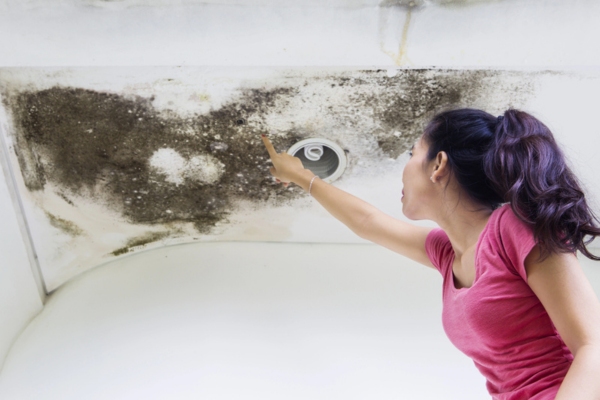
Proper ventilation is crucial for the effectiveness of insulation. Without proper ventilation, the insulation can become wet, which can lead to mold growth, rot, and even structural damage. DIYers may not have the knowledge or tools to properly ventilate their home, leading to serious issues down the road.
Some of the tools and equipment that a professional insulation contractor might use to properly ventilate your home include:
- Air flow meters: These tools measure the amount of airflow in a specific area, helping the contractor determine where ventilation is needed.
- Attic fans: These fans help to remove hot, humid air from the attic, reducing the chance of mold and rot.
- Roof vents: These vents allow hot air to escape from the attic, helping to keep the attic cool and dry.
- Soffit vents: These vents allow cool air to enter the attic, helping to balance the temperature and improve ventilation.
Proper ventilation also involves sealing off air leaks to prevent drafts and moisture from entering the home and installing a vapor barrier to prevent moisture, condensation, and water from penetrating the insulation. A professional insulation contractor will have the knowledge and equipment to identify and seal off air leaks, and install a vapor barrier to ensure that your insulation is working effectively.
Upgrade Your Home’s Efficiency The Right Way: Avoid DIY headaches with expert insulation solutions from Ascend Construction. Get started with a consultation today!
Improper Insulation Type
Different types of insulation are better suited for different areas of the home. For example, fiberglass insulation is great for walls and attics, while spray foam insulation is better for hard-to-reach areas like pipes and electrical outlets. DIYers may not know which type of insulation to use, leading to ineffective insulation and wasted money in utility bills being far higher than would otherwise be the case should the installation have been assessed and installed by professional tradespeople.
Lack Of Safety Precautions
Insulation installation can be dangerous, especially if proper safety precautions are not taken. DIYers may not know how to handle insulation materials safely, which can lead to injuries and even fires.
Some of the precautions that should be taken (and realistically are much better left to professionals who deal with these issues day in and day out) are to:
- Wear protective gear – insulation materials can be irritating to the skin, eyes, and respiratory system. It’s important to wear protective gear such as gloves, goggles, and a mask.
- Follow manufacturer’s instructions: Each type of insulation has its own set of instructions and safety precautions. It’s important to read and follow the manufacturer’s instructions to ensure safe installation.
- Avoid skin and eye contact: Insulation materials can be irritating to the skin and eyes. Avoid direct contact with insulation materials by wearing protective gear and washing your hands thoroughly after handling insulation.
- Avoid inhaling insulation dust: Insulation dust can be harmful if inhaled. Wear a mask and avoid inhaling insulation dust by working in a well-ventilated area.
- Use caution when working around electrical wiring: Insulation materials should never come into contact with electrical wiring. Be sure to turn off the power to the area you will be working in and use caution to avoid coming into contact with electrical wiring.
- Follow proper disposal procedures: Insulation materials can be hazardous if not disposed of properly. Be sure to follow proper disposal procedures as outlined by the manufacturer or your local waste management authorities.
Long-Lasting Comfort Starts With Quality Insulation: Enhance your home’s performance and energy savings with Ascend Construction’s trusted insulation services. Contact us now!
Difficulty Identifying & Fixing Insulation Problems
Finally, one of the biggest issues with DIY insulation projects is that it can be difficult for homeowners to identify and fix problems with their insulation. A professional insulation contractor like Ascend Construction has the knowledge and experience to identify issues and make necessary repairs, ensuring that your insulation is effective and energy efficient.
Frequently Asked Questions About DIY Spray Foam Insulation

What Are The Long-Term Effects Of Poorly Installed Insulation?
Improperly installed insulation can lead to a host of long-term issues, including uneven indoor temperatures, increased energy costs, and moisture buildup that encourages mold growth. Over time, these problems can cause structural damage, reduce indoor air quality, and shorten the lifespan of your HVAC system due to overworking.
Can DIY Spray Foam Insulation Affect Indoor Air Quality?
Yes. Without the right ventilation or curing time, DIY spray foam insulation can release harmful fumes into your home. Inadequate application may also trap moisture, creating an environment for mold and mildew. Professional installers use specialized equipment and safety procedures to minimize these risks and ensure safe indoor air conditions.
How Do Professionals Ensure Proper Insulation Performance?
Certified insulation contractors conduct detailed energy audits, use thermal imaging tools to locate leaks, and calculate the correct R-value for your home’s specific needs. They also use calibrated equipment to apply insulation evenly and at the proper thickness, ensuring your home is energy-efficient and comfortable year-round.
Stop Wasting Energy And Start Saving: Ascend Construction provides expert insulation, air sealing, and energy audits for lasting comfort and efficiency. Call to learn more!
Is DIY Spray Foam Insulation Safe To Apply In Older Homes?
Older homes often contain outdated electrical systems, hidden wiring, or existing insulation materials like asbestos. These factors make DIY spray foam insulation particularly risky. Professionals are trained to identify these hazards, handle them safely, and recommend suitable insulation methods that comply with current building codes.
What Are Some Signs That Insulation Was Installed Incorrectly?
Common signs of poor insulation include persistent drafts, cold or hot spots, fluctuating humidity levels, and higher-than-usual heating or cooling bills. You might also notice condensation on walls or ceilings. A professional inspection can pinpoint the cause and recommend proper fixes before more serious damage occurs.
How Often Should Home Insulation Be Inspected Or Upgraded?
Most insulation materials last between 15 to 25 years, but environmental factors, moisture exposure, and installation quality can shorten that lifespan. It’s wise to schedule an inspection every few years, or sooner if you notice temperature inconsistencies or rising energy costs, to ensure your insulation is still performing effectively.
Conclusion
DIY insulation projects, especially DIY spray foam insulation, can seem like an affordable way to improve home efficiency. However, they often result in hidden issues that are expensive and difficult to correct. From improper installation to ventilation mistakes, these challenges can compromise comfort, safety, and energy performance. Partnering with a professional like Ascend Construction ensures your insulation is installed properly, performs effectively, and protects your home for years to come.
Insulation Done Right, Every Time: From spray foam to insulation replacement, Ascend Construction delivers precise, reliable results that stand the test of time. Book your appointment today!
Ascend Construction: Fort Collins’ Insulation Specialists You Can Rely On
Enhancing your home’s energy efficiency and protecting it from moisture damage begins with proper insulation and expert installation. Ascend Construction offers professional spray foam insulation, insulation removal and upgrades, air sealing, whole-house fan installations, and detailed energy audits across Fort Collins and nearby communities.
Our skilled team is dedicated to precision, quality, and long-term performance, delivering insulation solutions that boost comfort, reduce energy costs, and safeguard your home’s structure. Whether you’re replacing old insulation or improving efficiency, Ascend Construction delivers trusted results with local expertise and dependable service.

Contact Ascend Construction for an appointment today. We can provide you with practical solutions to address the problem areas in your Fort Collins home. All of our services are affordable, and our work is guaranteed. Click here to contact us, or click the button below to give Ascend Construction a call. We offer no-obligation in-home consultations.
Ascend Construction
4115 County Road 19
Fort Collins, CO, 80524
(970) 420-5495
Related Articles:
- Does Spray Foam Insulation Absorb Water?
- Clearing Up Misconceptions About Spray Foam Insulation
- What Happens To The Old Insulation In The Walls When Adding Foam Insulation In Fort Collins?
- How Much Money Will Foam Insulation Save on Monthly Energy Bills?
- Airtight House: Can Spray Foam Make My Colorado House Too Tight?