What Is Fire Rating For Insulation In Colorado?
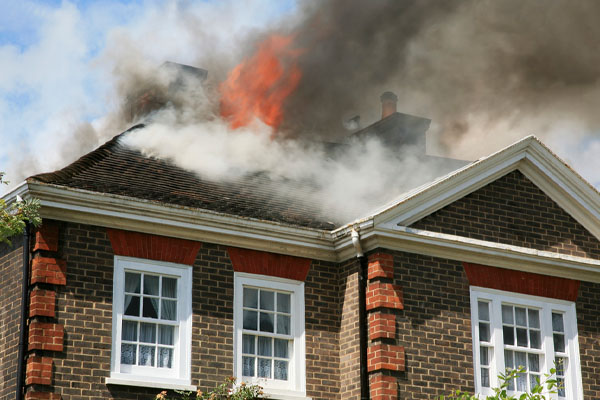
There are many forms of fire-resistant insulation materials used across various building projects, each with its own insulation fire rating that measures how well it can resist heat and flames. Insulation is also evaluated based on its ability to reduce heat transfer, expressed as an R-value; the higher the R-value, the better the material’s insulating performance.
Several factors affect an insulation’s R-value, including material type, density, and thickness. In the United States, these ratings are standardized by the American Society for Testing and Materials (ASTM) to ensure consistent quality and safety. In this article, Ascend Construction explores how insulation fire ratings work and what they mean for your Colorado home or building project.
Fire-Resistant Comfort You Can Count On: Trust Ascend Construction for professional insulation solutions that enhance safety, efficiency, and peace of mind. Contact us now!
Is Fireproof Insulation Possible?

While no insulation material is completely fireproof, some materials are more resistant to fire than others. Certain types of insulation, such as mineral wool and fiberglass, are slow to ignite and burn slowly, making them more resistant to fire than other types of insulation. In addition, some insulation materials can be treated with fire-retardant chemicals to improve their fire resistance further.
However, it is essential to note that even the most fire-resistant insulation will not prevent a fire from starting or spreading in all cases. To protect against the spread of fire, it is important to follow local building codes and use fire-resistant materials in combination with other fire protection measures, such as fire sprinklers and smoke detectors.
Upgrade Your Home’s Defense Against the Cold: From air sealing to insulation replacement, Ascend Construction delivers long-lasting results. Schedule your service today!
Is Spray Foam Fireproof?
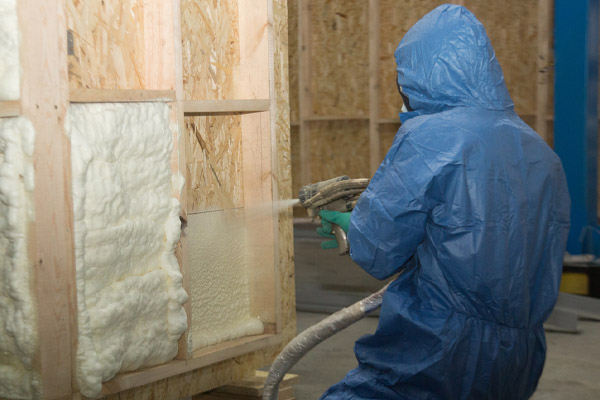
Spray foam is a type of insulation that is often used in construction to provide a protective barrier against heat loss and to improve a building’s energy efficiency. In the case of a fire, spray foam can help to prevent the spread of flames and to contain heat, which can protect the structural integrity of a building and potentially save lives.
It is important to note, however, that spray foam is not a fire-resistant material, and it should not be relied upon as the only means of protection in a fire. It is always best to have multiple layers of protection in place.
Smarter Insulation for Safer Homes: Protect your property with Ascend Construction’s high-quality, fire-rated insulation solutions. Call now to learn more!
Fire Rating for Insulation

The fire rating of insulation refers to its ability to withstand and prevent the spread of fire. Different types of insulation have different fire ratings, and the specific rating required for a given application will depend on local building codes and the type of structure being built.
How Is Insulation Fire-Resistant?
In general, fire-resistant insulation is made of materials that are slow to ignite and burn slowly, such as mineral wool, fiberglass, and certain types of foam insulation. These materials are typically rated according to how well they resist the spread of fire and how long they can withstand high temperatures. To determine the specific fire rating requirements for your project, you should consult your local building code and consult with a qualified contractor or engineer.
Energy Savings Start Here: Maximize your home’s performance with Ascend Construction’s insulation and air sealing expertise. Contact us to get started!
Flame Spread & Smoke Developed
There are two main types of fire ratings for insulation: flame spread and smoke developed. Flame spread measures the rate at which a fire spreads across the surface of the insulation, while smoke developed measures the amount of smoke produced by the insulation when it is exposed to fire.
Insulation materials with a low flame spread rating are less likely to spread a fire, while materials with a low smoke developed rating produce less smoke in a fire, which can make it easier for people to evacuate a building.
How To Choose Insulation In Fort Collins, CO
As a homeowner, when choosing insulation for a building, it is important to select materials with the appropriate fire rating. In general, the higher the fire rating, the better the performance of the insulation in a fire. However, other factors, such as the type of building and its intended use, will also impact the appropriate fire rating for insulation.
For example, buildings that are used for public assembly, such as schools and hospitals, typically require insulation with a higher fire rating than residential buildings. This is because the risk of fire is greater in these types of buildings, and the use of insulation with a higher fire rating can help to improve safety in the event of a fire.
Comfort, Safety, and Efficiency in One: Rely on Ascend Construction for professional insulation upgrades that make a difference all year long. Book your appointment today!
What is an Ignition Barrier?
An ignition barrier is a protective layer or coating that is applied to certain building materials to prevent the spread of fire. Ignition barriers are typically used in buildings where there is a risk of fire, such as in residential and commercial buildings.
The purpose of an ignition barrier is to slow the spread of fire and give people more time to evacuate the building in the event of a fire. Ignition barriers are often required by building codes in areas where there is a high risk of fire, such as in buildings with large amounts of flammable materials.
What Are Ignition Barriers Made Of?
Ignition barriers can be made from a variety of materials, including fire-resistant coatings, fire-retardant foams, and fire-resistant fabrics. The specific material used for an ignition barrier will depend on the type of building and the level of protection required.
Don’t Let Energy Slip Away: Enhance your home’s insulation and reduce utility costs with Ascend Construction’s proven solutions. Call now for expert service in Fort Collins!
How To Select Ignition Barriers

When selecting an ignition barrier for a building, it is important to choose a material that has been tested and certified by a third-party organization. This will ensure that the ignition barrier has been properly tested and will provide the level of protection needed in the event of a fire.
In addition to choosing the right material for an ignition barrier, it is also important to properly install the barrier. Ignition barriers must be installed according to the manufacturer’s instructions in order to provide the maximum level of protection. For this reason, it is highly recommended to hire a reputable professional with years of experience to ensure everything is properly installed.
In summary, there are many important considerations when choosing insulation for a building. By selecting materials with the appropriate fire rating, building owners can help to ensure the safety of their buildings and the people who use them. The best way to do this is to hire a reputable company that can guide you every step of the way.
Build a Safer, More Efficient Home: Choose Ascend Construction for reliable insulation installation, removal, and energy-saving improvements. Schedule your estimate today!
FAQs About Fire-Rated Insulation in Colorado

How Do Building Codes in Colorado Influence Fire-Rated Insulation Requirements?
Building codes in Colorado specify minimum fire-resistance standards for insulation materials used in residential and commercial projects. These codes often refer to ASTM testing standards and National Fire Protection Association (NFPA) guidelines. The exact requirements can vary depending on building occupancy type, construction materials, and proximity to wildland fire zones. Local municipalities may also have additional fire safety mandates.
What Are the Most Common Fire Testing Standards for Insulation Materials?
Insulation materials are typically evaluated using ASTM E84, also known as the “Surface Burning Characteristics of Building Materials” test. This test measures flame spread and smoke development. Other relevant tests include ASTM E119 for fire endurance and UL 723 for flame and smoke performance. These standardized methods ensure manufacturers meet safety benchmarks recognized across the United States.
Can Fire-Rated Insulation Help Reduce Insurance Costs?
Yes. Many insurers offer reduced premiums for properties built with fire-resistant materials, including insulation with high fire ratings. Using approved materials not only enhances life safety but can also lower long-term costs. Property owners should check with their insurance providers to confirm which insulation types qualify for potential discounts or improved risk ratings.
Protect What Matters Most: Strengthen your home’s fire safety and comfort with Ascend Construction’s expert insulation services. Call today for professional guidance and installation!
How Does Fire-Rated Insulation Perform in Wildfire-Prone Areas?
In wildfire-prone areas of Colorado, fire-rated insulation plays a crucial role in slowing heat transfer and minimizing interior ignition. Mineral wool and fiberglass are especially effective since they maintain integrity under high temperatures. Combined with non-combustible siding and fire-rated roofing materials, they provide a more complete wildfire defense strategy.
Are There Eco-Friendly Fire-Resistant Insulation Options Available?
Yes, several sustainable insulation materials offer good fire resistance. Mineral wool, made from recycled slag or rock, is naturally non-combustible. Cellulose insulation can also be treated with non-toxic fire retardants like boric acid. These options balance safety, sustainability, and thermal performance, ideal for energy-efficient and environmentally conscious construction projects.
Why Should Fire-Resistant Insulation Be Professionally Installed?
Professional installation ensures insulation materials meet both manufacturer specifications and local fire safety codes. Poor installation can leave gaps or compress insulation, reducing its fire-resistance rating. Certified contractors are trained to identify ignition risks, apply protective coatings, and ensure compliance with state and national fire codes, helping maintain both performance and safety.
Conclusion
Choosing the right insulation goes beyond energy savings; it’s also about protecting your home from potential fire hazards. Understanding insulation fire ratings helps ensure that your materials meet safety standards while maintaining comfort and efficiency. For homeowners in Fort Collins and surrounding areas, partnering with Ascend Construction guarantees expert installation and peace of mind all year long.
The Smart Way to Stay Warm: Trust Ascend Construction for insulation solutions that boost efficiency, enhance safety, and deliver lasting results. Contact us now to schedule your service!
Call Ascend Construction for Insulation Services in Fort Collins, Colorado
When it comes to air sealing or upgrading your home’s insulation, working with a trusted professional ensures the best results. Not all contractors deliver the same level of quality or value, so it’s important to choose experts who stand behind their work.
Homeowners in Fort Collins, Colorado, and nearby areas can rely on Ascend Construction for exceptional insulation services. Our team specializes in insulation removal and installation, air sealing, energy conservation, energy audits, whole-house fan installations, and more. You can count on us for reliable workmanship, honest pricing, and solutions that make your home more comfortable and energy-efficient all year long.

Contact Ascend Construction for a free consultation today. We can provide you with practical solutions to address the problem areas in your Fort Collins home. All of our services are affordable, and our work is guaranteed. Click here to contact us, or click the button below to give Ascend Construction a call. We offer free, no-obligation, in-home consultations.
Ascend Construction
4115 County Road 19
Fort Collins, CO, 80524
(970) 420-5495
Related Articles: