Why Your Home Feels Humid Even with Air Conditioning

Your air conditioner is running, yet your home still feels damp, sticky, or uncomfortable. If this sounds familiar, the issue may involve more than your cooling system. The connection between insulation and humidity is often overlooked. Still, inadequate insulation and air sealing can allow excess moisture to enter your home, making it harder for your AC to maintain comfortable indoor conditions.
This article explores why your home can feel humid even with air conditioning, the common causes of excess indoor moisture, and how insulation and air sealing work alongside your HVAC system to improve comfort and moisture control.
Understanding Indoor Humidity
Indoor humidity is the amount of moisture in the air inside your home and is typically measured as relative humidity. It plays a major role in both comfort and indoor air quality. When humidity levels are too high, the air feels sticky and uncomfortable, even if your air conditioner is running.
Excess moisture can also cause condensation, create musty odors, and support mold growth. Most homes are most comfortable when indoor relative humidity stays between 30% and 50%, allowing your cooling system to control moisture more effectively while maintaining a healthier indoor environment.
Why Air Conditioning Alone Does Not Always Control Humidity
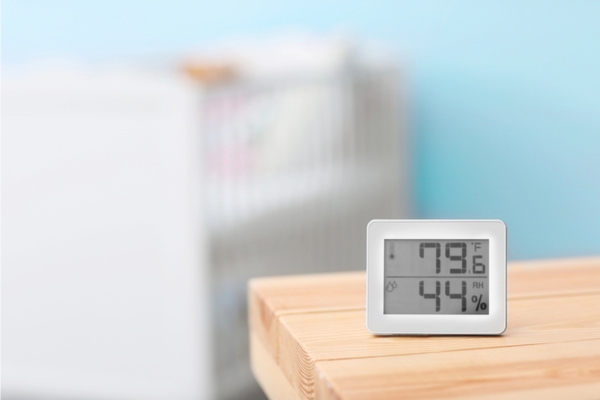
Air conditioners remove moisture as they cool your home, but they cannot solve every humidity problem. If warm, humid air continually enters through gaps in the building envelope or other sources, the system may struggle to maintain comfortable humidity levels. In many cases, persistent indoor humidity points to issues that extend beyond the air conditioner itself.
Whole-home performance plays an important role in moisture control. Insulation, air sealing, ventilation, and HVAC performance all work together to maintain a comfortable indoor environment.
When insulation is inadequate, or air leaks allow humid outdoor air inside, the air conditioner must work harder to remove excess moisture. Proper insulation and air sealing help create more stable indoor conditions, allowing the cooling system to control humidity more effectively.
Common Reasons Your Colorado Home Still Feels Humid
Several conditions can contribute to high indoor humidity, even when your air conditioner is operating normally. Identifying the source of the problem is essential to improving comfort and moisture control.
- Air Leaks: Gaps around windows, doors, attic openings, and utility penetrations allow warm, humid outdoor air to enter the home. This increases indoor moisture levels and forces the air conditioner to work harder.
- Inadequate Attic Insulation: Insufficient attic insulation allows excess heat to enter the home, increasing cooling demands and making it more difficult for the air conditioner to remove humidity effectively.
- Leaky Ductwork: Air leaks in ductwork can draw humid air from attics, crawl spaces, or wall cavities into the HVAC system, reducing overall cooling efficiency.
- Oversized Air Conditioner: An oversized system cools the home too quickly and shuts off before dehumidifying enough, leaving the air cool but still humid.
- Poor Ventilation: Everyday activities such as cooking, showering, and doing laundry release moisture into the air. Without adequate ventilation, humidity can build up, reducing indoor comfort.
Signs Excess Humidity Is Affecting Your Home
High indoor humidity often causes noticeable comfort and moisture-related problems throughout the home. Watch for these common warning signs:
- Clammy or Sticky Rooms: If your home feels damp or sticky even when the temperature is comfortable, indoor humidity levels may be too high.
- Condensation on Windows or Pipes: Moisture collecting on windows, glass doors, or exposed pipes often indicates excess humidity inside the home.
- Musty Odors: Persistent musty odors may indicate hidden excess moisture trapped within the home, increasing the risk of mold and mildew
- Uneven Comfort: Some rooms may feel humid or stuffy while others remain comfortable due to air leaks, inadequate insulation, or ductwork issues.
- High Cooling Bills: If your air conditioner runs frequently without improving comfort, it may be working harder to offset excess heat and moisture entering the home.
How Insulation and Air Sealing Help in your CO Home
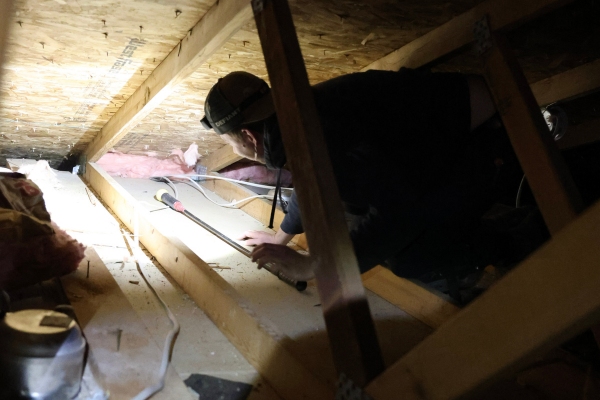
Insulation reduces the amount of heat entering your home, especially through the attic, while air sealing keeps hot, humid outdoor air out. Together, they reduce the cooling and dehumidification workload on your AC during warmer months. This results in more consistent indoor temperatures, better moisture control, and greater whole-home comfort throughout the year rather than simply lower energy bills.
When to Schedule a Professional Home Evaluation
If high indoor humidity continues despite regular air conditioner use and routine HVAC maintenance, the problem may extend beyond your HVAC system. Insulation or air sealing deficiencies may be allowing excess moisture to enter the home. It is also worth scheduling an evaluation if you notice condensation, drafts, uneven temperatures, or persistent musty odors.
These are common signs of building envelope issues. Older insulation may no longer provide effective thermal or moisture control. If your cooling bills continue to rise while comfort remains poor, a whole-home assessment can identify the underlying causes and recommend appropriate improvements.
FAQs: Humidity and Insulation

Can High Indoor Humidity Damage My Home?
Yes. Excess humidity can gradually damage wood flooring, cabinetry, drywall, paint, and other building materials by allowing moisture to accumulate over time. It also creates favorable conditions for mold and mildew growth, which may affect indoor air quality and lead to more extensive repairs if the underlying moisture problem is not addressed.
Does Closing Windows Help Reduce Indoor Humidity?
Yes. Keeping windows and exterior doors closed during hot, humid weather helps limit the amount of moisture entering your home. This allows your air conditioner to cool and dehumidify the indoor air more effectively, rather than continually managing warm, humid outdoor air.
Can Indoor Plants Increase Humidity?
Yes. Houseplants release moisture into the air through a natural process called transpiration. While a few plants rarely have a noticeable effect, a large collection of indoor plants can contribute to higher humidity levels, particularly in smaller rooms or homes that already struggle with excess moisture.
Is High Indoor Humidity Worse During Certain Times of the Year?
Yes. Indoor humidity is typically highest during late spring and summer when outdoor air contains more moisture. Heavy rainfall, prolonged humid weather, and frequent opening of doors and windows can further increase indoor humidity, especially in homes with insulation or air sealing deficiencies.
Can High Humidity Make My Home Feel Warmer Than It Actually Is?
Absolutely. High humidity slows the evaporation of sweat from your skin, reducing your body’s natural cooling process. Even if the thermostat is set to a comfortable temperature, elevated moisture levels can make rooms feel warmer, stickier, and less comfortable than they actually are.
Conclusion
Air conditioning alone cannot solve every humidity problem. Air leaks, inadequate insulation, leaky ductwork, poor ventilation, and improperly sized HVAC equipment can all contribute to excess indoor moisture and reduced comfort. Improving insulation and air sealing helps limit moisture intrusion, supports more effective dehumidification, and allows your cooling system to perform more efficiently.
If your home feels humid even with the air conditioner running, contact Ascend Construction. Our insulation and air sealing solutions help improve moisture control, indoor comfort, and HVAC performance throughout the year.
Contact Ascend Construction for Expert Insulation Solutions in Northern Colorado
Create a more comfortable and energy-efficient home with insulation services from Ascend Construction. Homeowners throughout Northern Colorado trust our team for high-quality insulation and air sealing solutions that help regulate indoor temperatures, reduce unwanted air infiltration, and support better year-round comfort. We use dependable materials and proven installation practices to deliver lasting performance.
From attic insulation upgrades and insulation replacement to new installations, air sealing, and attic ventilation improvements, we tailor every service to your home’s unique needs. Our team performs a comprehensive evaluation to identify areas where heat and moisture may be entering, then recommends practical solutions designed to improve overall home performance.
Schedule a professional insulation consultation with Ascend Construction today. We’ll help you strengthen your home’s thermal envelope, enhance indoor comfort, improve energy efficiency, and support better HVAC performance for years to come. Call now! Visit our service area page to see if we serve your community.

Contact Ascend Construction today to arrange a consultation. Our team will evaluate your home’s insulation needs and recommend practical, cost-effective solutions that improve comfort and efficiency. All of our services are affordable, and our work is guaranteed. Click here to contact us, or click the button below to give Ascend Construction a call. We offer no-obligation in-home consultations.
Ascend Construction
4115 County Road 19
Fort Collins, CO, 80524
(970) 420-5495
Related Articles: