Why Your Furnace Stops Working And Parts To Watch For

A furnace can stop working when a critical component wears out, malfunctions, or can no longer perform its role in the heating cycle. When heating suddenly fails, homeowners may immediately wonder, “Why did my furnace stop working?” Problems with the blower motor, ignitor, flame sensor, limit switch, heat exchanger, or other components can cause poor heating, irregular operation, or a complete system shutdown.
This article covers the furnace parts most likely to fail, the warning signs of these problems, and how regular maintenance can reduce the risk of unexpected breakdowns.
Furnace Trouble Spots: Components Most Likely to Fail
Furnace breakdowns commonly develop when critical components deteriorate from repeated use, age, or ongoing wear. Knowing which parts are more vulnerable can help homeowners recognize potential problems early and maintain dependable heating performance throughout the colder months.
How Your Furnace Works
A typical furnace relies on several key components, including the thermostat, burners, heat exchanger, blower, and ductwork. Keeping these parts properly maintained can extend equipment life while supporting reliable, efficient heating performance.
Routine inspections and cleaning can help identify developing problems before they cause mechanical failures. Consistent furnace maintenance also improves system performance, boosts energy efficiency, and helps keep heating costs under control.
Furnace Components That Commonly Fail
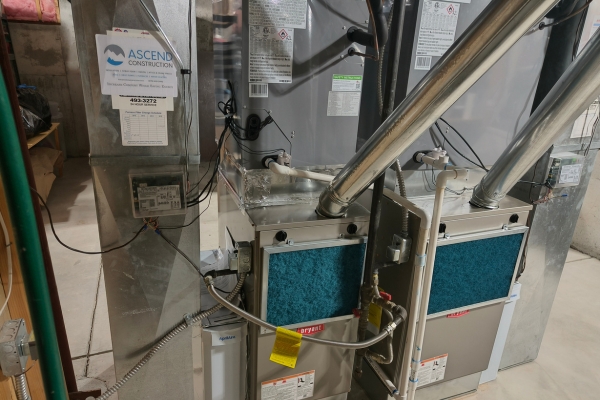
Certain furnace parts experience more wear than others, making them frequent sources of heating problems and service calls.
Furnace Thermostats
The thermostat serves as the furnace’s primary control, signaling the heating system when to start and stop to maintain the temperature selected for your home.
Common warning signs of thermostat problems include:
- Uneven or inconsistent indoor temperatures
- A furnace that does not turn on
- A heating system that runs continuously without shutting off
These problems may indicate that the thermostat is not communicating properly with the furnace, which can affect indoor comfort and increase energy consumption.
When thermostat problems develop, an HVAC technician can diagnose the controls, wiring, and furnace response to determine whether repair or replacement is appropriate. Professional service helps restore accurate temperature control while supporting efficient, reliable furnace operation.
Furnace Ignitors And Pilot Lights
Furnace ignitors and pilot lights provide the ignition needed to begin the heating cycle. Modern furnaces typically use electronic ignitors to light the burners, while older systems may rely on a pilot light that maintains a small, continuous flame.
Ignitors can wear out after repeated heating cycles, eventually preventing the burners from lighting. Pilot lights may also go out because of drafts, dirt buildup, or other system problems, leaving the furnace unable to produce heat.
Qualified HVAC technicians can diagnose ignition problems, replace damaged ignitors, and correct pilot light issues that interfere with furnace operation. Timely professional service helps restore dependable heating, prevent recurring ignition failures, and reduce unexpected disruptions to home comfort.
Furnace Heat Exchangers
The heat exchanger transfers heat produced during combustion to the air that circulates throughout the home. Because it separates combustion gases from the heated airflow, damage to this component can create serious safety concerns, including the potential for carbon monoxide exposure. Cracks, corrosion, or other deterioration require prompt professional attention.
Qualified HVAC technicians can inspect the heat exchanger for damage and determine whether its condition could compromise safe, efficient furnace operation. Since some problems may be difficult for homeowners to detect, professional inspection is an important part of routine furnace maintenance.
Regular service can identify developing heat exchanger issues before they worsen, reduce the risk of unsafe operating conditions, and help maintain reliable furnace performance throughout its service life.
Furnace Air Filters
Dirty or clogged air filters restrict airflow through the furnace, forcing the system to work harder to circulate heated air. This added strain can increase energy use, reduce heating performance, and contribute to premature wear on key furnace components.
Regularly checking and replacing or cleaning the filter, when applicable, helps maintain proper airflow, supports indoor air quality, and keeps the furnace operating efficiently.
Homeowners who prefer professional help can include filter maintenance with routine HVAC service. A qualified technician can replace or clean the appropriate filter while checking airflow and system performance, reducing unnecessary strain and supporting reliable furnace operation.
Furnace Flame Sensors
The flame sensor is an important furnace safety component that confirms whether the burners have ignited properly. If it does not detect a flame, the system shuts off the gas supply to help prevent unsafe operating conditions.
Signs of a faulty or dirty flame sensor can include frequent cycling or a furnace that starts but shuts down shortly afterward. Dirt, soot, or oxidation on the sensor can interfere with flame detection, while a damaged sensor may require professional replacement.
Preventive Furnace Maintenance Tips
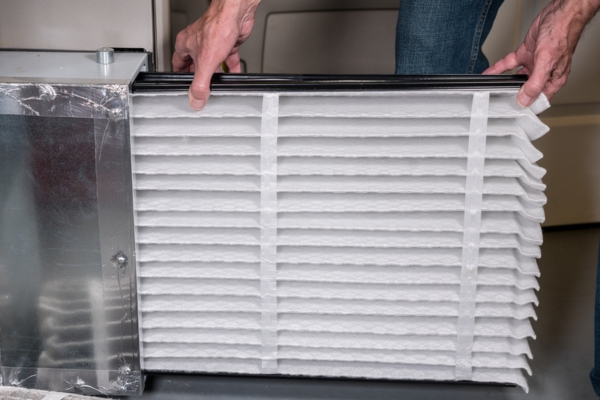
Routine furnace maintenance can improve system efficiency, extend equipment life, and help identify developing problems before they lead to costly repairs. A consistent maintenance schedule also supports dependable heating throughout Northern Colorado’s colder months.
Key preventive measures include:
- Replace HVAC Filters: Check air filters regularly and replace or clean them as needed to maintain proper airflow, reduce furnace strain, and support indoor air quality.
- Check the Thermostat: Verify that the thermostat responds correctly and maintains accurate temperatures to prevent unnecessary furnace operation and energy waste.
- Inspect Ductwork and Seals: Have damaged or leaking ducts identified and properly sealed to limit heat loss, improve airflow, and promote more consistent heating throughout the home.
- Evaluate Heating System Upgrades: Aging components or an older furnace may benefit from professional upgrades or replacement with more efficient equipment, helping improve reliability and manage long-term heating costs.
Scheduling routine professional maintenance is an effective way to protect furnace performance and reliability. Experienced HVAC technicians can identify developing problems, address worn components, and correct issues before they contribute to more extensive system failures.
Consistent service can reduce unexpected heating disruptions, support energy-efficient operation, and help extend the furnace’s overall service life.
When to Contact an HVAC Professional in Northern Colorado
Certain furnace problems require professional HVAC expertise to protect your heating system’s safety, reliability, and efficiency.
Consider scheduling professional service in these situations:
- Unusual Furnace Sounds: Banging, grinding, or whistling noises may signal mechanical issues that require professional diagnosis.
- Recurring Heating Problems: Frequent shutdowns, inadequate heating, or repeated cycling can indicate furnace problems that need expert attention.
- Higher Energy Costs: A sudden rise in heating expenses may indicate declining furnace efficiency that warrants a professional inspection.
- Poor Indoor Air Quality: Excessive dust or unusual odors coming through vents may point to problems involving furnace filters or ductwork.
Why Did My Furnace Stop Working: FAQs
How Do I Know If My Furnace Thermostat Is Malfunctioning?
A failing thermostat may cause uneven temperatures, prevent the furnace from starting, or keep the heating system running longer than necessary. These symptoms can indicate improper communication between the thermostat and furnace. If these problems persist, an HVAC technician can inspect the thermostat, verify its operation, and determine whether recalibration, repair, or replacement is appropriate.
Why Does My Furnace Keep Turning On And Off?
Frequent on-and-off operation, known as short cycling, may result from a dirty flame sensor, restricted air filter, or improperly sized furnace. Repeated cycling increases energy use and adds stress to furnace components. A qualified HVAC technician can identify the underlying cause, correct the problem, and help prevent premature wear or a more serious system failure.
What Are Common Warning Signs Of Furnace Failure?
A furnace may develop noticeable problems before it stops working completely. Warning signs include inconsistent heating, unusual sounds, repeated cycling, increasing energy costs, and changes in burner flame appearance. If these symptoms occur, schedule a professional furnace inspection to identify the cause, prevent further damage, and restore safe, efficient heating performance.
Why Does My Furnace Make Banging, Whistling, Or Grinding Sounds?
Strange sounds, including banging, whistling, or grinding, may point to mechanical problems such as damaged or loose parts, airflow restrictions, or a compromised heat exchanger. Ignoring these noises could allow equipment damage to worsen or create potential safety concerns. Scheduling prompt service with an HVAC technician can identify the underlying issue and help prevent expensive repairs or hazardous operating conditions.
How Can I Extend The Life Of My Furnace?
To help your furnace last longer, replace air filters as needed and keep the surrounding area clean and free of obstructions. Scheduling routine professional maintenance also helps preserve reliable system performance. Addressing minor problems promptly and replacing worn components when necessary can reduce unnecessary strain, prevent larger breakdowns, and support efficient, dependable furnace operation over its service life.
Conclusion
Recognizing common furnace problems can help homeowners maintain reliable, efficient heating throughout the colder months. Identifying warning signs early, keeping up with routine maintenance, and addressing minor issues promptly can reduce unexpected breakdowns, improve system performance, and help extend the furnace’s service life.
For professional furnace inspections, maintenance, and repairs, contact Ascend Construction. Our experienced team serves homeowners throughout Northern Colorado and the surrounding areas with dependable heating solutions designed to keep furnaces operating safely and efficiently.
Contact Ascend Construction for Trusted HVAC Services in Northern Colorado
At Ascend Construction, we provide professional heating and cooling services throughout Northern Colorado and the surrounding areas. Our experienced HVAC technicians handle system tune-ups, diagnostics, repairs, installations, and replacements with careful attention to reliable performance and quality workmanship.
We offer competitively priced HVAC solutions designed to improve indoor comfort, support energy efficiency, and help homeowners manage heating and cooling costs throughout the year.
Whether your system requires a minor repair, routine maintenance, or complete replacement, Ascend Construction can evaluate your HVAC needs and recommend practical solutions suited to your home and budget. We stand behind our work and remain committed to customer satisfaction.
Contact Ascend Construction today to schedule HVAC service or arrange an in-home consultation. Visit our service area page to see if we serve your community.

Contact Ascend Construction today to schedule your HVAC consultation. Our experienced team will evaluate your heating and cooling system, identify any performance or efficiency concerns, and recommend practical, cost-effective solutions tailored to your home’s needs. Whether you need maintenance, repairs, or a complete system replacement, we deliver reliable service at affordable prices, backed by our workmanship guarantee. Click here to contact us, or click the button below to call Ascend Construction.
Ascend Construction
4115 County Road 19
Fort Collins, CO, 80524
(970) 420-5495
Related Articles: