How To Prepare Your Furnace For Winter
As winter draws closer, keeping your home heating system dependable and efficient starts with proper seasonal preparation. Preparing your furnace before temperatures drop can improve performance and indoor comfort while reducing the risk of sudden breakdowns and expensive repairs when reliable heating matters most.
Although professional maintenance is essential, homeowners can take several straightforward measures to prepare their furnace for colder conditions. This article covers seven important furnace preparation tips for the coming winter season, helping you maintain dependable warmth and comfort throughout your home.
7 Practical Ways to Prepare Your Furnace for Winter in Northern Colorado
Before winter temperatures settle, making sure your furnace is ready for heavier use can help maintain reliable home comfort. Follow these seven simple furnace preparation tips to get your heating system prepared for the colder months ahead.
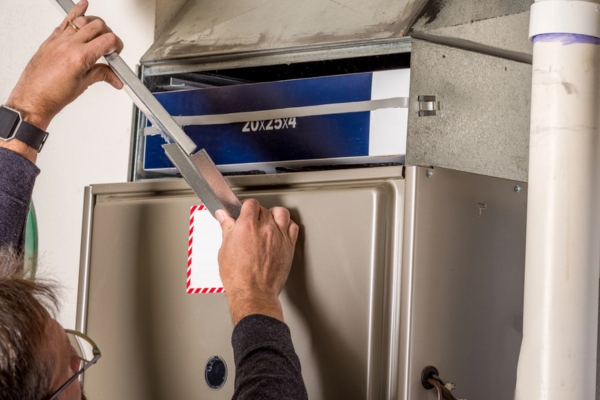
Tip 1: Check and Replace the Furnace Air Filter
A clean furnace filter supports proper airflow and helps your heating system operate efficiently. When the filter becomes clogged with dust and debris, airflow decreases, and the furnace must work harder, potentially increasing energy costs and contributing to premature system wear.
Check the air filter each month and plan to replace it about every three months, following the manufacturer’s recommendations. Homes with pets, excessive dust, or occupants with allergies may need more frequent filter changes.
Keeping up with this basic maintenance step can improve furnace performance, promote efficient operation, and help your heating system handle increased demand throughout the colder months.
Tip 2: Check Your Thermostat Operation
Checking your thermostat before winter helps confirm that your furnace responds correctly when your home needs heat. Proper thermostat operation supports accurate temperature settings, dependable heating, and consistent indoor comfort.
- Switch the thermostat to heating mode, then raise the temperature setting several degrees above the current indoor temperature.
- Confirm that the furnace starts as expected. If it doesn’t respond or the displayed temperature differs from the room temperature, the thermostat may need calibration, repair, or replacement.
Resolving thermostat issues before colder weather arrives can help prevent inconsistent heating, unnecessary furnace operation, and increased energy consumption throughout winter.
Tip 3: Keep the Furnace Area Clear
Keeping the area surrounding your furnace clean and unobstructed supports safe, efficient operation. Dust, clutter, and nearby stored materials can interfere with airflow while creating unnecessary fire and safety risks.
Maintain approximately three feet of open space around the furnace, and routinely sweep or vacuum nearby surfaces to limit dust and debris buildup.
A clear furnace area promotes unrestricted airflow, reduces potential hazards, and helps your heating equipment operate reliably and efficiently throughout the winter season.
Tip 4: Inspect and Unblock Your Air Vents
Keeping vents and registers open and unobstructed helps your furnace distribute heat evenly and operate efficiently. Closed or blocked vents can restrict airflow, cause inconsistent room temperatures, and put unnecessary strain on the heating system, potentially raising energy costs.
Check each room to confirm that vents are fully open and not covered by furniture, curtains, rugs, or other household items.
This quick inspection promotes steady airflow and allows heated air to circulate properly, helping your furnace maintain more consistent comfort throughout your home during colder weather.
Tip 5: Arrange a Professional Furnace Tune-Up in Colorado
Scheduling professional furnace maintenance regularly helps preserve heating efficiency, dependable performance, and system longevity. During a tune-up, an HVAC technician inspects, cleans, tests, and adjusts key components to verify that the furnace is operating properly and safely.
Preventive service can uncover developing problems before they cause sudden breakdowns or require more costly repairs during Colorado’s colder months.
Routine furnace tune-ups can also improve energy efficiency, helping control heating expenses while keeping your home consistently warm and comfortable throughout winter.
Tip 6: Check for Carbon Monoxide Hazards
Protecting your household from carbon monoxide is an important part of winter furnace preparation. A malfunctioning heating system can release this colorless, odorless gas, creating a serious health and safety hazard.
Watch for possible furnace problems, including unusual soot or corrosion near the equipment, and keep carbon monoxide detectors installed on each home floor, particularly outside sleeping areas.
Test each detector monthly and replace its batteries at least annually, or according to manufacturer instructions. These precautions provide an important layer of protection against carbon monoxide exposure throughout the heating season.
Tip 7: Examine the Furnace Flame
Checking your furnace flame can help reveal combustion problems before they become more serious. Under normal conditions, the burner flame should appear steady and blue. A yellow, uneven, or flickering flame may indicate dirty burners, venting problems, or an incorrect air-to-gas mixture that can compromise performance and safety.
If you notice an unusual flame, avoid attempting internal furnace repairs and have a qualified HVAC technician inspect the system promptly.
A quick visual inspection can help identify potential combustion concerns, support efficient furnace operation, and reduce the risk of hazards like carbon monoxide exposure.
FAQs: Furnace Preparation Tips

When Should I Consider Replacing My Furnace?
Most furnaces provide reliable service for approximately 15 to 20 years, although maintenance history, installation quality, and operating demands can affect longevity. As the system ages, declining efficiency, inconsistent performance, and recurring repairs may become more common. A professional HVAC evaluation can determine whether continued operation is practical or replacement would provide better reliability and efficiency.
Is It Normal for a Furnace to Smell When Starting Up for Winter?
A mild burning odor can occur when a furnace runs for the first time after months of inactivity, typically as accumulated dust heats up. However, an odor that persists or resembles rotten eggs or burning plastic may indicate a gas leak, electrical fault, or equipment problem. Turn off the furnace and get in touch with a qualified HVAC professional promptly.
How Can I Tell If My Furnace Requires Professional Repair?
Common warning signs can indicate that your furnace needs professional attention. Uneven temperatures or rooms that remain unusually cold may suggest declining performance. Banging, rattling, squealing, or other unfamiliar noises can indicate mechanical trouble. Unexpected increases in heating costs without greater usage may also signal inefficiency. Frequent short cycling, where the furnace repeatedly starts and stops, is another problem that warrants professional inspection.
Should I Shut Vents in Unoccupied Rooms to Reduce Heating Costs?
Closing vents in rooms you rarely use may appear to reduce heating expenses, but it can interfere with your HVAC system’s airflow. Increased duct pressure can make the furnace work harder, lower efficiency, and potentially contribute to duct or equipment problems. A zoned HVAC system offers a better approach by providing room-specific temperature control while maintaining proper airflow.
How Is the Right Furnace Size Determined for My Home?
Choosing the appropriate furnace capacity is important for reliable comfort and efficient heating. An undersized system may operate excessively, increasing energy use and equipment wear, while an oversized furnace can short-cycle and experience premature component stress. Proper sizing considers your home’s square footage, insulation levels, windows, and local climate. A professional HVAC load calculation determines the heating capacity your home actually requires.
Conclusion
Preparing your furnace before winter helps support dependable heating, efficient operation, and a safer home throughout the colder months. Although homeowners can complete several basic preparation steps, professional furnace maintenance provides a more comprehensive evaluation and can uncover developing problems before they cause unexpected heating disruptions.
For reliable seasonal furnace service, contact Ascend Construction. Our experienced team can help prepare your heating system for winter and keep your home warm and comfortable throughout the season.
Contact Ascend Construction for Professional HVAC Services in Northern Colorado
Ascend Construction provides dependable heating and cooling services throughout Northern Colorado and the surrounding areas. Our experienced HVAC technicians handle furnace and air conditioner tune-ups, repairs, installations, replacements, and other essential services designed to keep home comfort systems operating properly.
We provide practical HVAC solutions focused on improving comfort, supporting energy efficiency, and helping homeowners manage heating and cooling expenses. Whether your system requires routine maintenance, professional repairs, or full replacement, our team can recommend the correct solution based on your home, comfort needs, and budget.
Ascend Construction is committed to quality workmanship and dependable customer service on every project. Call us today to schedule an HVAC service appointment or in-home consultation and prepare your home for reliable year-round comfort. Call now! Visit our service area page to see if we serve your community.

Contact Ascend Construction today to schedule your HVAC consultation. Our experienced team will evaluate your heating and cooling system, identify any performance or efficiency concerns, and recommend practical, cost-effective solutions tailored to your home’s needs. Whether you need maintenance, repairs, or a complete system replacement, we deliver reliable service at affordable prices, backed by our workmanship guarantee. Click here to contact us, or click the button below to call Ascend Construction.
Ascend Construction
4115 County Road 19
Fort Collins, CO, 80524
(970) 420-5495
Related Articles: