How AFUE And AFUE2 Ratings Affect Heating System Efficiency
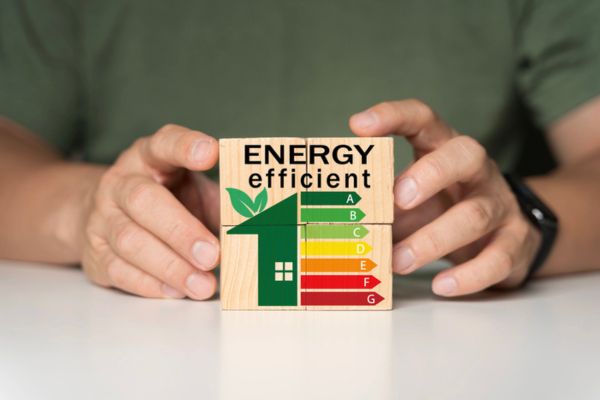
AFUE and AFUE2 are heating efficiency standards used to help homeowners understand how effectively heating equipment converts energy into usable heat. While AFUE focuses primarily on the efficiency of the heating unit itself, AFUE2 reflects updated federal testing requirements designed to provide a more realistic picture of overall system performance.
Understanding the difference between these ratings can make it easier to compare heating systems, evaluate energy efficiency, and make informed replacement or installation decisions.
This article covers how AFUE vs AFUE2 work, the key differences between the two standards, and what these efficiency ratings mean when choosing heating equipment for your home.
Heating Efficiency Ratings: What AFUE and AFUE2 Mean
AFUE and AFUE2 are key standards for measuring how efficiently a heating unit converts fuel into usable heat. Knowing how these ratings work can help homeowners compare equipment, evaluate energy consumption, and choose cost-effective heating options for their homes.
How Does AFUE Measure Heating Efficiency?
AFUE, or Annual Fuel Utilization Efficiency, represents the percentage of fuel a heating system converts into usable heat over a typical year. For example, a 90% AFUE rating means 90% of the fuel becomes heat for the home, while the other 10% is lost during operation.
This rating gives homeowners a practical way to assess and compare the efficiency of furnaces, boilers, and similar heating equipment.
Higher AFUE ratings indicate greater fuel efficiency, which can translate into lower fuel usage and reduced energy expenses. This makes AFUE an important consideration when evaluating heating performance and controlling long-term home heating costs.
What is AFUE2?
AFUE2 is an updated heating efficiency standard developed by regulatory agencies such as the Department of Energy (DOE). It builds on traditional AFUE testing to provide homeowners with a more realistic measure of heating system performance.
While AFUE primarily evaluates how efficiently fuel converts into heat under controlled conditions, AFUE2 incorporates additional factors intended to better reflect real-world operation.
The transition to AFUE2 addresses limitations of the original AFUE standard, which did not fully reflect everyday factors such as climate variations, installation differences, and maintenance quality.
AFUE2 uses additional testing parameters to consider standby energy losses and system efficiency during startup and normal operating cycles. These stricter, more comprehensive requirements provide a more accurate picture of real-world performance, helping homeowners compare heating systems and evaluate potential energy savings.
Comparing AFUE and AFUE2
AFUE and AFUE2 are designed to assess heating system efficiency, but each standard uses different testing criteria and provides a different level of detail when measuring equipment performance.
Key Differences Between Heating Efficiency Standards
- Heating Efficiency Testing Conditions: AFUE2 considers a wider variety of real-world influences, including environmental changes and system response during operation, making its results more representative of typical household use. AFUE relies on more standardized, controlled testing conditions.
- HVAC Efficiency Rating Accuracy: With its expanded testing approach, AFUE2 delivers a more precise and realistic assessment of heating system efficiency, giving homeowners a clearer indication of expected operating performance.
- Compliance Requirements: As energy-efficiency regulations continue to change, newer heating equipment must increasingly satisfy AFUE2 requirements, encouraging manufacturers to develop more efficient technologies and improve overall system performance.
How AFUE2 Affects Heating Efficiency Ratings
Heating systems tested under AFUE2 may receive lower efficiency ratings than under AFUE because AFUE2 applies stricter, more realistic testing conditions. However, these ratings provide a more accurate picture of expected energy savings, helping homeowners better assess long-term performance, operating costs, and overall value.
Why Heating Efficiency Standards Are Important

AFUE and AFUE2 standards benefit homeowners while supporting broader energy-efficiency goals and regulatory requirements.
How Heating Efficiency Ratings Benefit Homeowners
These ratings help homeowners make informed decisions when purchasing or upgrading heating equipment. Using AFUE and AFUE2 as benchmarks makes it easier to compare system efficiency, estimate operating costs, and evaluate potential energy savings. This information can guide homeowners toward heating solutions that deliver greater efficiency and long-term value.
Environmental Benefits of Heating Efficiency
Higher efficiency standards such as AFUE2 support the use of advanced heating systems designed to consume less energy and operate more cleanly. Improved efficiency can reduce household carbon footprints, encourage more sustainable energy use, and lessen the environmental impact associated with residential heating.
Heating Efficiency Standards and Compliance
For manufacturers, meeting evolving efficiency standards is essential for complying with applicable national and international energy regulations. These requirements encourage advances in heating technology, helping ensure newer systems satisfy increasingly stringent efficiency and environmental performance criteria.
Selecting an Energy-Efficient Heating System
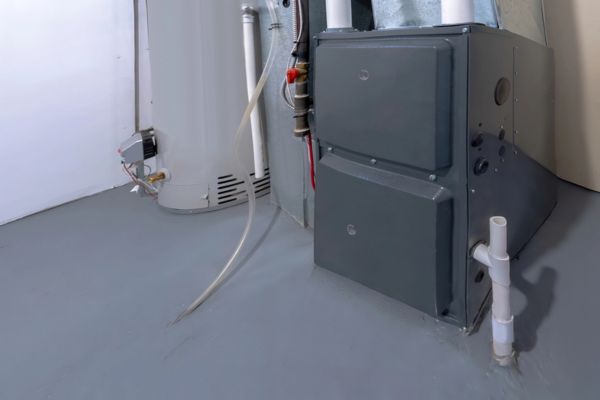
When selecting a heating system, consider AFUE or AFUE2 ratings alongside your climate, home requirements, energy use, and budget. Higher ratings generally indicate greater efficiency and lower operating costs, although high-efficiency equipment may require a larger upfront investment.
Key factors include:
- Efficiency: Higher ratings generally mean less wasted energy and lower fuel consumption.
- Cost: Compare the initial investment with potential long-term energy savings.
- Home Needs: Consider climate, home size, insulation, and typical heating demands.
Working with Ascend Construction can simplify equipment selection and installation. Our HVAC professionals help homeowners throughout Northern Colorado and the surrounding areas choose systems suited to their comfort needs and budget.
Proper installation is essential for achieving the system’s intended efficiency and performance. A high-efficiency heating system can reduce energy costs, improve indoor comfort, and lower your home’s environmental impact.
What to Expect From Future Heating Efficiency Standards
As heating efficiency standards evolve, homeowners can expect updated testing methods and increasingly stringent efficiency requirements. These changes will likely encourage advances in heating technology, resulting in newer systems that use energy more efficiently and have a reduced environmental impact.
As requirements become stricter, homeowners may also have access to financial incentives, including energy rebates and special programs, that can help offset the cost of upgrading to high-efficiency equipment.
Continued improvements in heating standards can deliver better system performance, reduced environmental impact, and potential long-term energy and cost savings.
Frequently Asked Questions About AFUE vs AFUE2

Which Heating Systems Are Rated Using AFUE?
AFUE ratings commonly apply to fuel-burning heating equipment, including gas and oil furnaces and boilers. These ratings offer a standardized measure of fuel-use efficiency, allowing homeowners to compare different heating systems and make better-informed decisions when purchasing or upgrading equipment.
Does a Higher AFUE Rating Guarantee Lower Heating Bills?
A higher AFUE rating generally indicates better energy efficiency, but heating costs depend on other factors, including local fuel prices, home size and insulation, climate, and system maintenance. Proper insulation and routine HVAC maintenance can help maximize efficiency and potential savings.
Do All Heating Systems Have to Meet AFUE2 Standards?
AFUE2 requirements apply to newly manufactured heating equipment covered by current efficiency regulations. Existing older systems generally do not need to meet updated standards. When purchasing new heating equipment, verify that it complies with applicable AFUE2 requirements to meet current regulations and benefit from improved efficiency.
Can an Existing Heating System Be Upgraded to Meet AFUE2?
Existing heating systems generally cannot be modified to meet AFUE2 standards because these requirements involve specific equipment designs and testing procedures. However, replacing an older unit with modern, AFUE2-compliant equipment can reduce energy consumption and heating costs while improving overall system performance.
Are Incentives Available for High-Efficiency Heating Systems?
Yes. Federal, state, local, and utility programs may offer tax credits, rebates, or financing for qualifying high-efficiency heating upgrades. Eligibility often depends on the equipment’s efficiency rating and current program requirements. Check with your HVAC contractor, utility provider, or local energy office to determine which incentives are available in your area.
Conclusion
AFUE and AFUE2 ratings provide valuable benchmarks for comparing heating system efficiency, estimating energy use, and selecting equipment that aligns with your comfort needs and budget. Knowing what these standards measure can help you make a more informed decision when upgrading or replacing your home heating system.
Ascend Construction provides professional guidance throughout the equipment selection and installation process in Northern Colorado and the surrounding areas. Contact our team today to explore efficient heating options that can improve home comfort, energy performance, and long-term operating costs.
Contact Ascend Construction for Reliable HVAC Services in Northern Colorado
Ascend Construction provides dependable heating and cooling services throughout Northern Colorado and the surrounding areas. Our experienced HVAC technicians handle system tune-ups, repairs, installations, replacements, and other essential services with careful attention to performance and reliability.
We provide competitively priced HVAC solutions designed to boost indoor comfort, increase energy efficiency, and help control heating and cooling expenses. Whether your system needs repair, routine maintenance, or a full replacement, our team can recommend the right solution based on your home, efficiency goals, and budget.
We stand behind our workmanship and prioritize customer satisfaction on every project. Contact Ascend Construction today to schedule HVAC service or an in-home consultation. Call now! Visit our service area page to see if we serve your community.

Contact Ascend Construction today to schedule your HVAC consultation. Our experienced team will evaluate your heating and cooling system, identify any performance or efficiency concerns, and recommend practical, cost-effective solutions tailored to your home’s needs. Whether you need maintenance, repairs, or a complete system replacement, we deliver reliable service at affordable prices, backed by our workmanship guarantee. Click here to contact us, or click the button below to call Ascend Construction.
Ascend Construction
4115 County Road 19
Fort Collins, CO, 80524
(970) 420-5495
Related Articles: