What Role Does Ventilation Play Alongside Insulation?
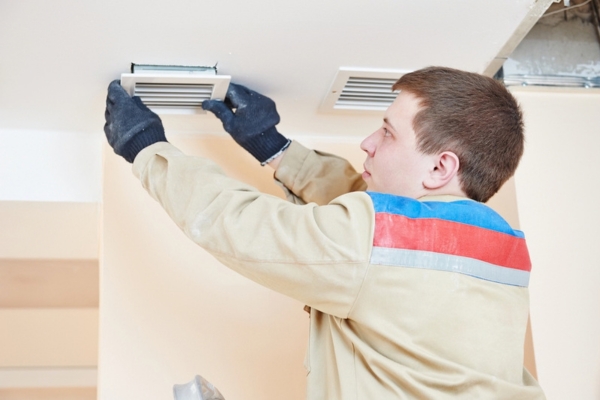
Insulation and ventilation work together to control heat, moisture, and indoor comfort year-round. Insulation slows heat transfer between the home and the outdoors, while ventilation allows excess heat and moisture to escape from areas such as attics and crawl spaces. When either system is inadequate, the other may be less effective.
This article covers how insulation and ventilation complement each other, the problems caused by inadequate airflow, and why maintaining the right balance can improve energy efficiency, protect the home, and support year-round comfort.
The Connection Between Insulation and Ventilation
Insulation and ventilation perform different functions, yet both contribute to a home’s overall comfort and efficiency. When properly balanced, they help regulate heat and moisture while protecting the building envelope from conditions that can reduce performance over time.
How Do Insulation and Ventilation Complement Each Other?
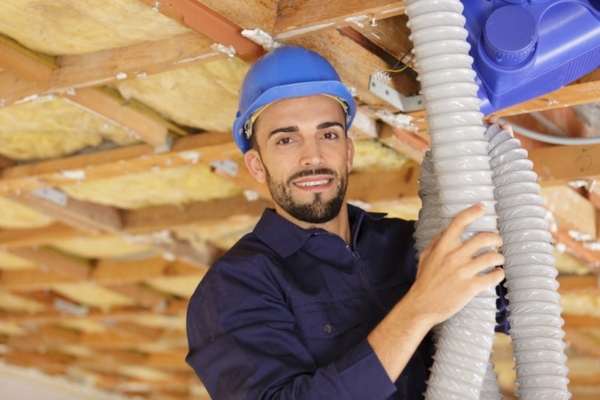
Insulation slows heat transfer through ceilings, walls, floors, and other parts of the home. This thermal barrier helps maintain consistent indoor temperatures and limits the workload on heating and cooling equipment.
Ventilation complements insulation by allowing excess heat to escape, particularly from the attic. This helps limit heat buildup that can increase indoor temperatures and cooling demand.
Proper airflow also helps remove excess moisture from attics, crawl spaces, and other vulnerable areas. Drier conditions protect insulation, wood framing, roof decking, and other building materials from moisture-related damage.
Together, insulation and ventilation manage heat and moisture throughout the building envelope. The right balance supports year-round comfort, energy efficiency, and long-term home protection.
Problems Caused by Inadequate Ventilation
Inadequate ventilation can trap excess heat and moisture in attics, crawl spaces, and other enclosed areas. Over time, these conditions can affect home comfort, energy efficiency, insulation performance, and building materials.
- Trapped Heat in the Attic: Poor attic ventilation can cause significant heat buildup during warmer weather. This heat can move toward living spaces and increase the workload on the cooling system.
- Moisture Buildup: Humidity and condensation can accumulate when moisture cannot escape effectively. Persistent dampness can affect insulation, framing, roof decking, and other structural materials.
- Mold and Mildew Growth: Warm, damp conditions can encourage mold and mildew in poorly ventilated areas. Continued moisture exposure can damage materials and lead to larger moisture-control problems.
- Reduced Insulation Performance: Moisture can cause some insulation materials to compress, deteriorate, or lose thermal effectiveness. As insulation performance declines, heating and cooling demand may increase.
Why Balanced Insulation and Ventilation Matter

Balanced insulation and ventilation help maintain consistent indoor comfort throughout changing seasons. Insulation limits unwanted heat transfer, while ventilation prevents excessive heat and moisture from accumulating in vulnerable spaces. Together, they reduce unnecessary HVAC operation, helping control energy consumption and monthly heating and cooling costs.
Proper ventilation also allows moisture to escape before it affects insulation or surrounding materials. This is especially vital in attics and crawl spaces, where humidity and condensation can develop unnoticed. Managing heat and moisture helps protect roof decking, framing, insulation, and other building components from premature deterioration and costly repairs.
Signs of an Insulation and Ventilation Imbalance
Problems with insulation and ventilation can affect comfort, energy use, and moisture control throughout the home. Common warning signs include:
- Uneven Indoor Temperatures: Rooms that remain noticeably warmer or colder may indicate inadequate insulation, air leakage, heat buildup, or ventilation problems.
- High Heating and Cooling Costs: Rising energy bills may indicate that the building envelope is allowing excessive heat gain or loss, forcing HVAC equipment to operate longer.
- Excessive Attic Heat: An unusually hot attic can signal that heat is accumulating faster than the ventilation system can release it, potentially affecting the rooms below.
- Condensation and Musty Odors: Persistent dampness, visible condensation, or musty smells can indicate excess moisture collecting in poorly ventilated spaces.
- Wet or Damaged Insulation: Damp, compressed, deteriorated, or displaced insulation may provide less thermal protection and can indicate underlying moisture or ventilation problems.
Maintaining the Right Balance Between Ventilation and Insulation in CO
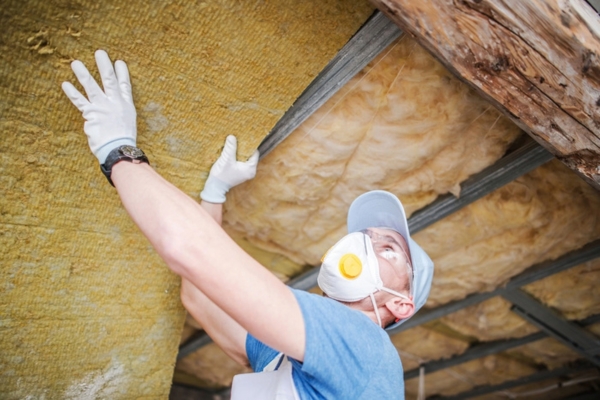
Maintaining the right balance requires attention to insulation condition, airflow, and moisture throughout the home’s building envelope.
1. Evaluate Existing Insulation
Check insulation levels, coverage, condition, and installation quality. Gaps, compression, moisture damage, and aging materials can reduce thermal performance and contribute to uneven indoor temperatures.
2. Assess Attic and Crawl Space Ventilation
Ventilation should match the home’s construction, climate, and moisture-control requirements. The correct approach helps manage heat and moisture without creating unnecessary energy-efficiency problems.
3. Address Moisture Sources
Roof leaks, plumbing problems, high indoor humidity, and ground moisture can overwhelm insulation and ventilation systems. Correcting these issues helps keep vulnerable spaces dry and protects surrounding building materials.
4. Keep Necessary Airflow Paths Clear
Insulation should not block ventilation pathways required by the home’s design. Proper installation maintains thermal coverage while allowing air to move through designated ventilation channels.
5. Schedule a Professional Assessment
A professional assessment can determine whether comfort, moisture, or efficiency problems involve insulation, ventilation, air leakage, or several building-envelope issues. Accurate evaluation helps homeowners choose improvements suited to their home’s specific needs.
FAQs: Insulation and Ventilation

How Often Should Attic Ventilation Be Inspected?
Attic ventilation should be checked periodically and whenever roofing, insulation, or major home improvements are completed. Vents can become blocked by debris, insulation, pests, or deterioration over time, which may restrict their intended airflow.
Can New Roofing Affect an Existing Ventilation System?
Yes. Roof replacement can change or disrupt existing intake and exhaust ventilation if vents are removed, covered, relocated, or improperly installed. The ventilation system should be evaluated as part of a roofing project to ensure it remains appropriate for the home’s design.
What Is the Difference Between Intake and Exhaust Vents?
Intake vents allow outside air to enter an attic, typically near the lower portion of the roof, while exhaust vents allow warmer air to leave higher in the roof assembly. Proper placement and sizing help these components function as a coordinated ventilation system.
Do Bathroom and Kitchen Exhaust Fans Affect Attic Moisture?
They can if they are improperly vented. Bathroom and kitchen exhaust systems should direct moisture outside rather than into an attic or other enclosed space, where humid air can contribute to condensation and moisture-related damage.
Can Seasonal Changes Affect Home Ventilation Needs?
Seasonal temperature and humidity changes can influence how heat and moisture move through a home. A properly designed ventilation system accounts for year-round conditions rather than addressing only summer heat or winter moisture.
Conclusion
Insulation and ventilation perform different but complementary roles in home performance. Insulation slows heat transfer, while proper ventilation manages excess heat and moisture to support energy efficiency, consistent comfort, insulation performance, and long-term structural protection.
If your home has uneven temperatures, excessive moisture, rising energy costs, or damaged insulation, contact Ascend Construction for a professional assessment throughout Northern Colorado and the surrounding areas. The right insulation and ventilation improvements can help create a more comfortable, efficient, and protected home throughout the year.
Contact Ascend Construction for Professional Insulation Services across Northern Colorado and the surrounding areas
Ascend Construction provides professional insulation solutions throughout Northern Colorado and the surrounding areas to help homeowners maintain comfortable indoor temperatures and improve energy efficiency. Our team evaluates insulation condition, coverage, and areas of heat loss to determine where improvements can strengthen the home’s thermal performance.
Our services include insulation installation and replacement, air sealing, insulation upgrades, and other solutions designed to improve the building envelope. Using quality materials and proven installation practices, we help reduce unwanted heat transfer, address insulation deficiencies, and support consistent comfort throughout the year.
Contact Ascend Construction today to schedule an insulation assessment throughout Northern Colorado and the surrounding areas. Our team can identify areas that need attention and recommend practical improvements that support energy savings, indoor comfort, and long-term home protection. Visit our service area page to see whether we serve your area.

Contact Ascend Construction today to arrange a consultation. Our team will evaluate your home’s insulation needs and recommend practical, cost-effective solutions that improve comfort and efficiency. All of our services are affordable, and our work is guaranteed. Click here to contact us, or click the button below to give Ascend Construction a call. We offer no-obligation in-home consultations.
Ascend Construction
4115 County Road 19
Fort Collins, CO, 80524
(970) 420-5495
Related Articles: